The Best Dehumidifiers for Home in 2025
Foggy windows, musty smells in the basement, and laundry that won't dry. Humidity is a serious comfort and health issue. I'll help you choose the appliance that actually solves the problem.
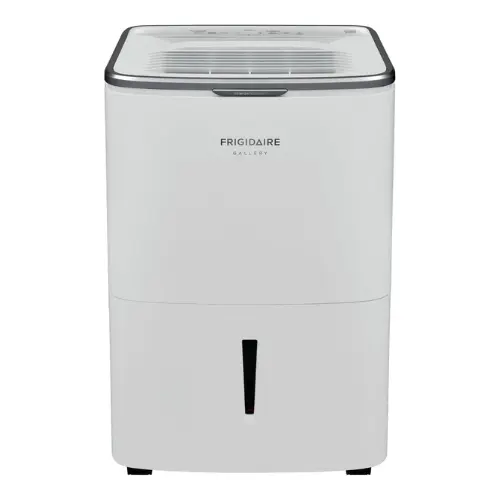
Frigidaire 50-Pint
The basement beast. Removes 50 pints of water daily. Reliable, robust, and with a built-in pump option.
In the laundry business, we know humidity. I see customers daily complaining that their clothes smell like "wet dog" even after washing. The problem isn't the washer; it's drying clothes in a basement with 80% humidity.
A dehumidifier isn't a luxury; it's essential for respiratory health and structural integrity of your home. It keeps mold at bay and makes your HVAC run more efficiently (dry air is easier to heat and cool). But not all units are created equal.
Top 5 Dehumidifiers by Category
Frigidaire 50-Pint High Humidity
The gold standard for US basements. This 50-pint (formerly rated as 70-pint) workhorse is reliable, powerful, and includes a built-in pump option, so you never have to empty a bucket manually. It is the most trusted brand by technicians for durability.
Pros
- High capacity (50 Pints)
- Built-in pump option
- Reliable in cold basements
Cons
- Heavy and bulky
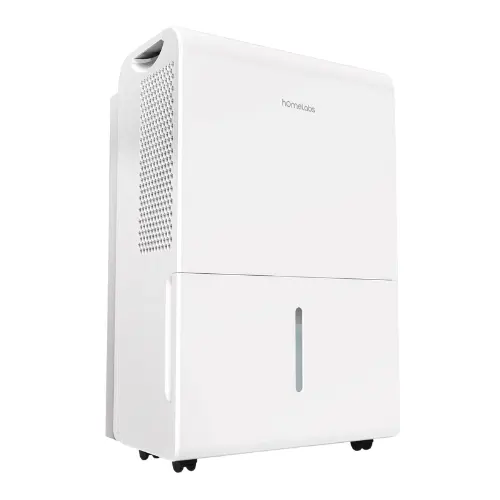
hOmeLabs 4,500 Sq. Ft Dehumidifier
The value king. Offers similar performance to the big brands at a lower price point. It's a beast at removing moisture from large spaces like finished basements or open-plan living areas. Simple, effective, and modern design.
Pros
- Great value for capacity
- Sleek modern design
- Turbo mode for quick drying
Cons
- Slightly louder fan noise
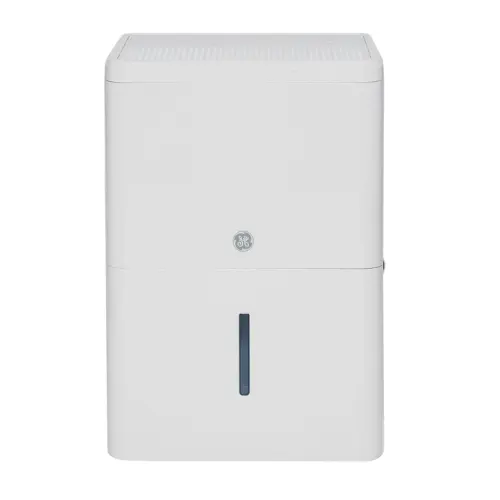
GE Energy Star Portable Dehumidifier
The smart choice. GE models are known for their efficiency and SmartHQ app integration. You can monitor humidity levels and receive 'bucket full' alerts on your phone, which is great if the unit is tucked away in a basement.
Pros
- Smart WiFi control
- Energy Star certified
- Very accurate humidistat
Cons
- Premium price
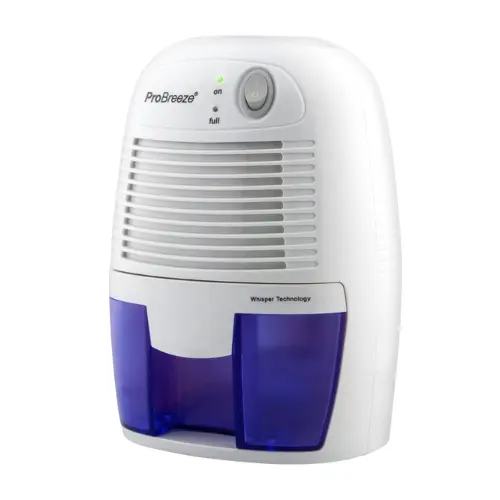
Pro Breeze Electric Mini
The closet specialist. This isn't for rooms; it's for small enclosed spaces like closets, RVs, or gun safes. It uses Peltier technology (electric, no compressor), making it whisper-quiet and very energy efficient.
Pros
- Whisper quiet
- Very low energy consumption
- Compact for tight spaces
Cons
- Low extraction rate (not for rooms)
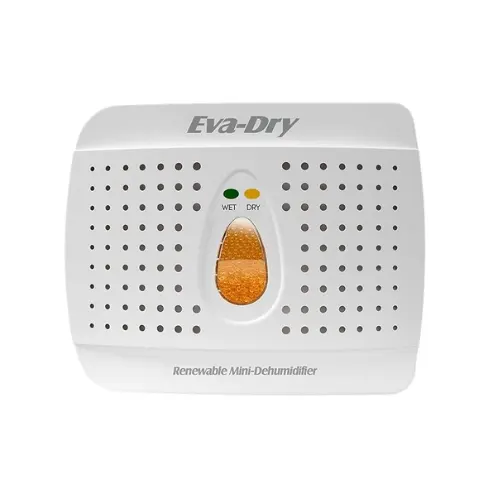
Eva-dry E-333 Renewable
The cord-free solution. Filled with silica gel beads that absorb moisture. Perfect for safes, gym bags, or under sinks. When the beads turn pink (full), you just plug it into a wall outlet to dry them out and reuse.
Pros
- Wireless operation
- Renewable (lasts years)
- Silent
Cons
- Very slow absorption
Technician's Guide: Understanding Pints
In the US, capacity is measured in Pints per Day (PPD). The Department of Energy (DOE) changed the rating standards recently, so numbers can be confusing (old 70-pint units are now rated as 50-pint units, even though performance is the same).
❄️ Compressor (The Standard)
Works like a fridge: cools coils to condense water.
- ✅ Efficiency: Most energy efficient for warm/humid climates.
- ✅ Ideal for: Basements, crawl spaces, and living areas above 60°F.
- ❌ Issue: Can freeze up in very cold unheated spaces (< 41°F).
📏 Sizing Guide (New DOE Standard)
Based on the current testing standards:
- • 20-22 Pints: Small rooms, bathrooms (up to 500 sq ft).
- • 30-35 Pints: Medium rooms, apartments (up to 1,500 sq ft).
- • 50 Pints: Large wet basements, crawl spaces (up to 4,500 sq ft).
Features That Matter: Pump vs. No Pump
If you are putting this in a basement, listen up.
- Built-in Pump: Essential if you don't have a floor drain. It allows the unit to pump water UP and out of a basement window or into a sink. Worth the extra cost.
- Gravity Drain: Every unit has this. You attach a garden hose, and water flows down. Requires a floor drain lower than the unit.
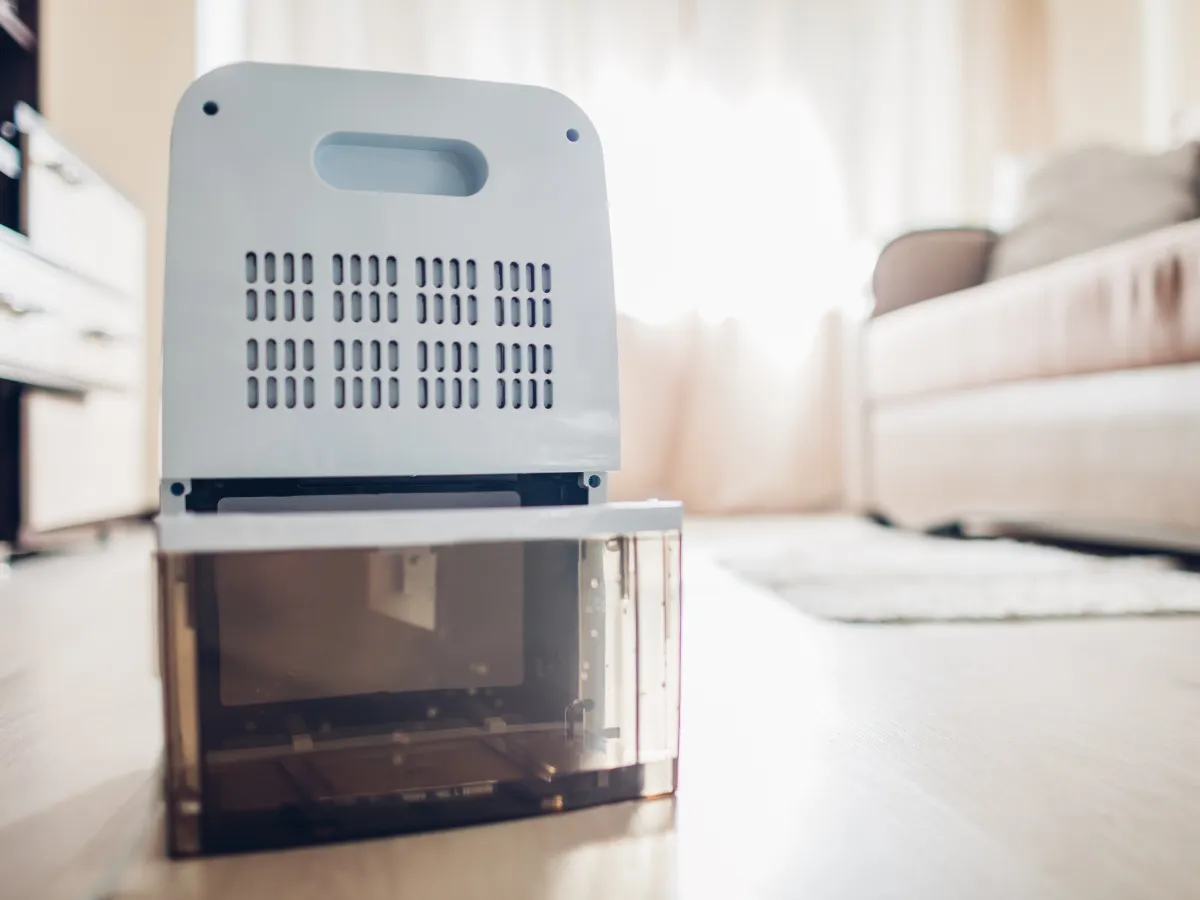
- Bucket: You have to empty it manually. A 50-pint unit will fill its bucket 2-3 times a day in damp conditions. It gets annoying fast.
Frequently Asked Questions
Can it dry laundry?
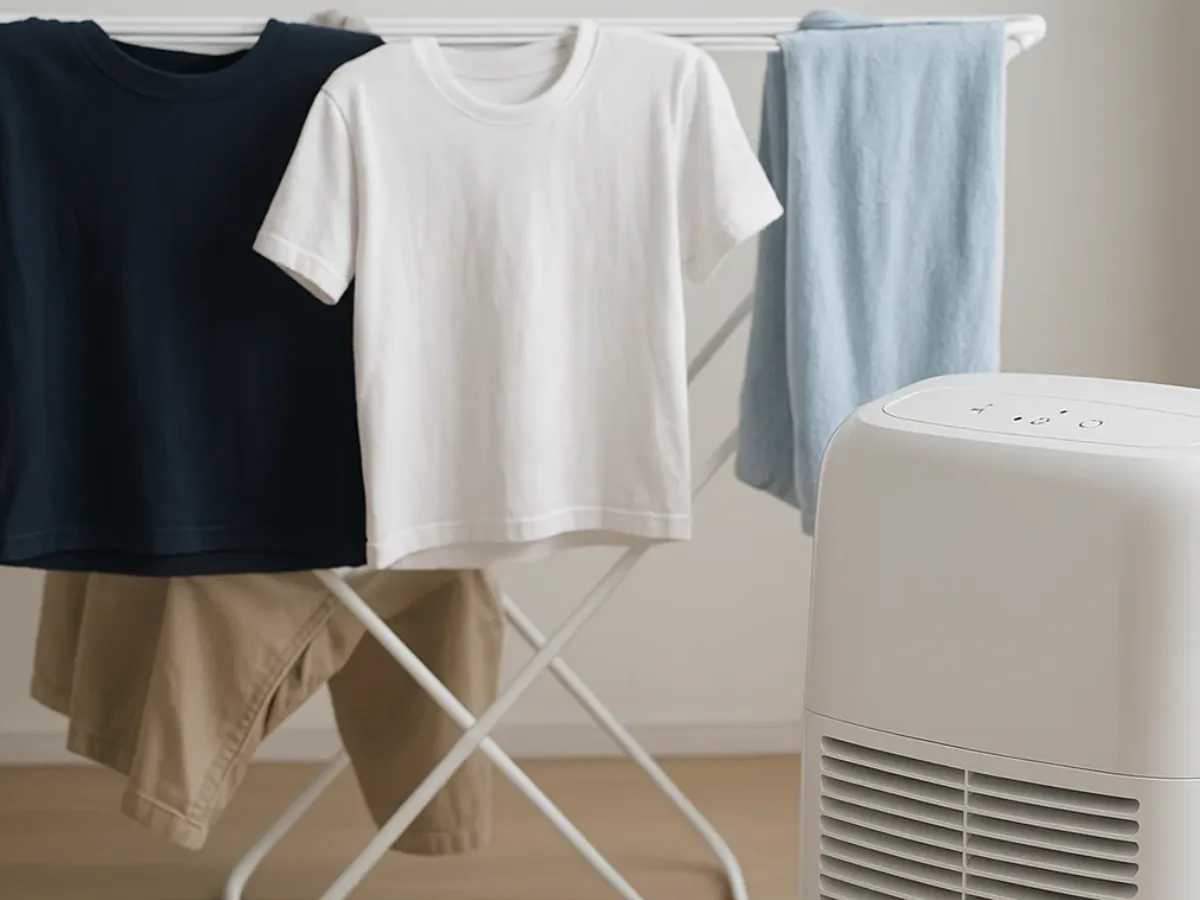
Yes, excellent for it. Place a drying rack in a small room, close the door, and run the dehumidifier on "Turbo" or "Continuous". Clothes dry in hours and don't smell musty.
Are they loud?
Compressor models sound like a window AC unit or a loud fan (45-55 dB). It's white noise, but you might not want a large one right next to your bed.
What is continuous drain?
It's a port on the back where you attach a hose (often a standard garden hose) to bypass the bucket. Water drains directly into a floor drain or sump pump pit. Ideal for basements.