From Ash to Self-Service: History and Evolution of Clothes Washing in El Bierzo
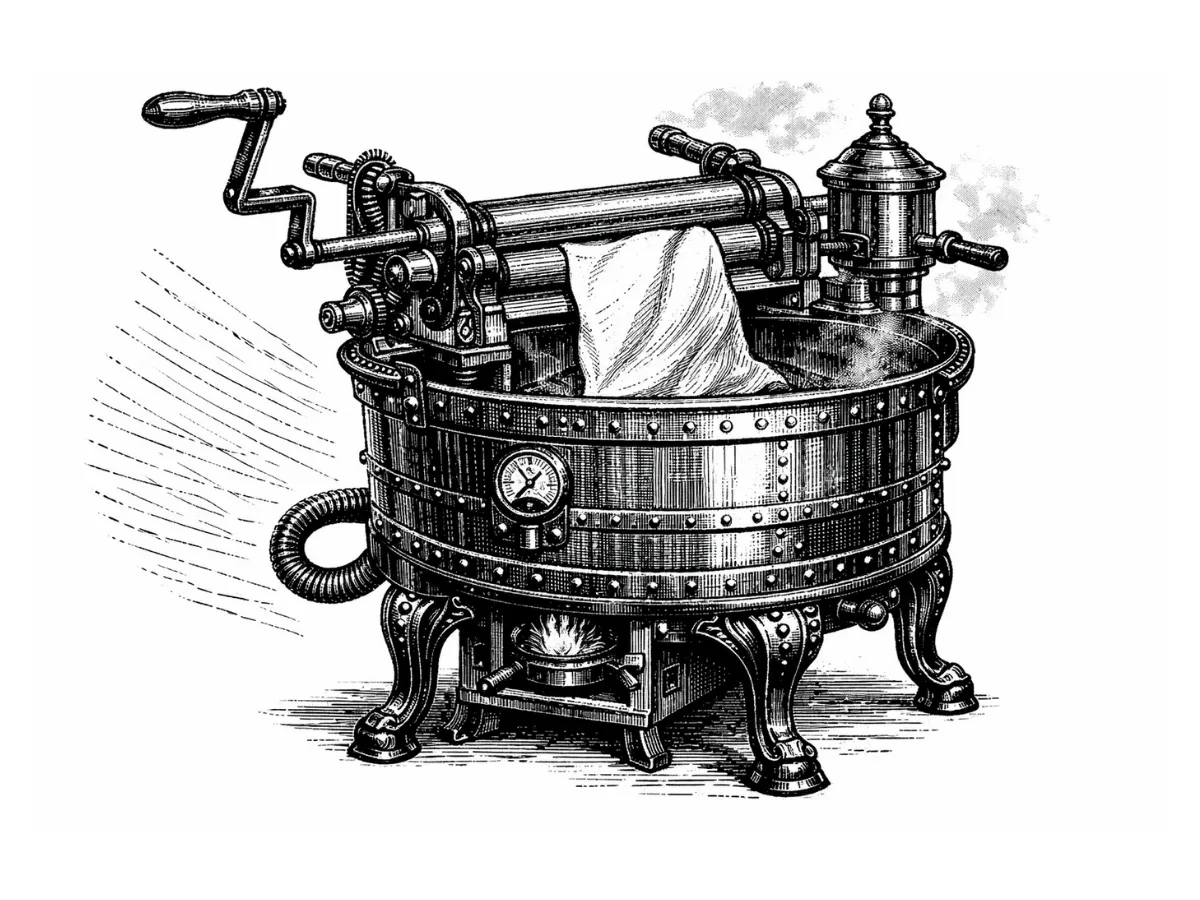
Anyone walking through Ponferrada or any of our Bercian villages today, seeing our modern self-service machines, might not imagine the titanic journey it took to get clean clothes in under an hour. Here, in our region, the history of washing has a special nuance, marked by the cold of our winters, the waters of the Sil and Boeza rivers, and a linguistic curiosity that only we locals understand: when we say "lavadero" (washery/washhouse), we could be talking about white sheets or black coal.
As enthusiasts of machinery and textile care, we wanted to look back. Not to get nostalgic, but to value the effort of past generations and understand how we got from ash to active oxygen.
The River and the Ash: When "Doing the Laundry" Was Pure Chemistry
Before the existence of powder or liquid detergents that we place in our dispensers today, in El Bierzo, people "made the laundry" (hacían la colada). And that's not just a set phrase. It was a complex technical and chemical process.
Well into the 19th century, and in many rural areas until the mid-20th century, the main whitening agent was ash lye. Taking advantage of the abundance of oak and holm oak wood in our mountains, women collected ash from the hearths, placed it over a cloth (the cernedero) on top of the dirty clothes arranged in a wooden trough or basket, and poured boiling water over it. The resulting liquid, loaded with potash, was a powerful natural degreaser.
But the process didn't end there. They had to go down to the river. Imagine washing in the Burbia or Cúa rivers in the middle of January. Bercian women had to break the ice layer on the banks to rinse. Kneeling on the washing box or board, with hands covered in chilblains from the extreme cold, washing was a test of physical endurance.
The Public Washhouse: Hygiene and Social "Gossip Hub"
With the arrival of hygienic trends in the 19th century, town councils and village boards began to build roofed public washhouses. This was a revolution. It was no longer necessary to be completely out in the open, and the water was channeled from clean springs.
We have magnificent examples in our geography, such as the Trabadelo complex, with its fountain dated 1849, or the restored washhouses in the Las Médulas area. These spaces had architecture thought out in detail: sloped stone floors, slate roofs to withstand snow, and large basins divided so as not to mix soaping water with rinsing water.
The Social Network of the Era
Beyond hygiene, the washhouse was the undisputed territory of women. Far from the gaze of men, the priest, or the boss, they spoke freely there. They sang, arranged weddings, and updated the village news. It was the official "mentidero" (gossip hub). That's where the Spanish expression "lavar los trapos sucios" (washing dirty laundry) comes from, which implied resolving community problems within that circle of trust.
Myths and Legends: The Lavandeiras of the Sil
The hardship of night washing and the solitude of the river fueled the legend of the "Lavandeiras" throughout the northwest, and also in El Bierzo. Spectral beings who, according to oral tradition, appeared on the banks washing blood-stained clothes and asked travelers for help wringing out the sheets. A supernatural metaphor for the hard work involved in getting clothes spotless.
The Bercian Paradox: Washing White Clothes in Black Rivers
Here enters a factor that makes the history of washing in our region unique: mining. During the coal boom, keeping clothes white was an almost impossible mission.
Many rivers ran black due to mineral washing upstream. This forced families to seek alternative springs or sources far from industrial discharges to rinse their clothes. It is ironic to think that, while El Bierzo produced the energy that moved Spain, its inhabitants fought against coal dust sneaking onto their clotheslines.
The "Other" Lavadero: La Recuelga and the MSP
If you search for "lavadero en El Bierzo" on Google, you are likely to find immense concrete and iron structures. That's because for a Bercian, the word lavadero is polysemous.
- The Clothes Washhouse: Domestic, female, and community space.
- The Coal Washery: Industrial facilities like La Recuelga (built between 1945 and 1948 in Santa Cruz del Sil) or the MSP washeries. No soap was used there, but density systems to separate coal from sterile stone.
Both "lavaderos" are part of our heritage. One represents the domestic economy and care; the other, the industrial economy that forged the character of the region.
From the Stone Basin to the Smart Washer
Starting in the 1970s, with the spread of running water to homes in villages like Cacabelos, Villafranca, or the neighborhoods of Ponferrada, public washhouses fell into disuse. The domestic electric washing machine arrived.
However, technological evolution didn't stop there. Home washing machines, while convenient, have limitations in load and power. This is where the current stage of this evolution comes in: the professional self-service laundry.
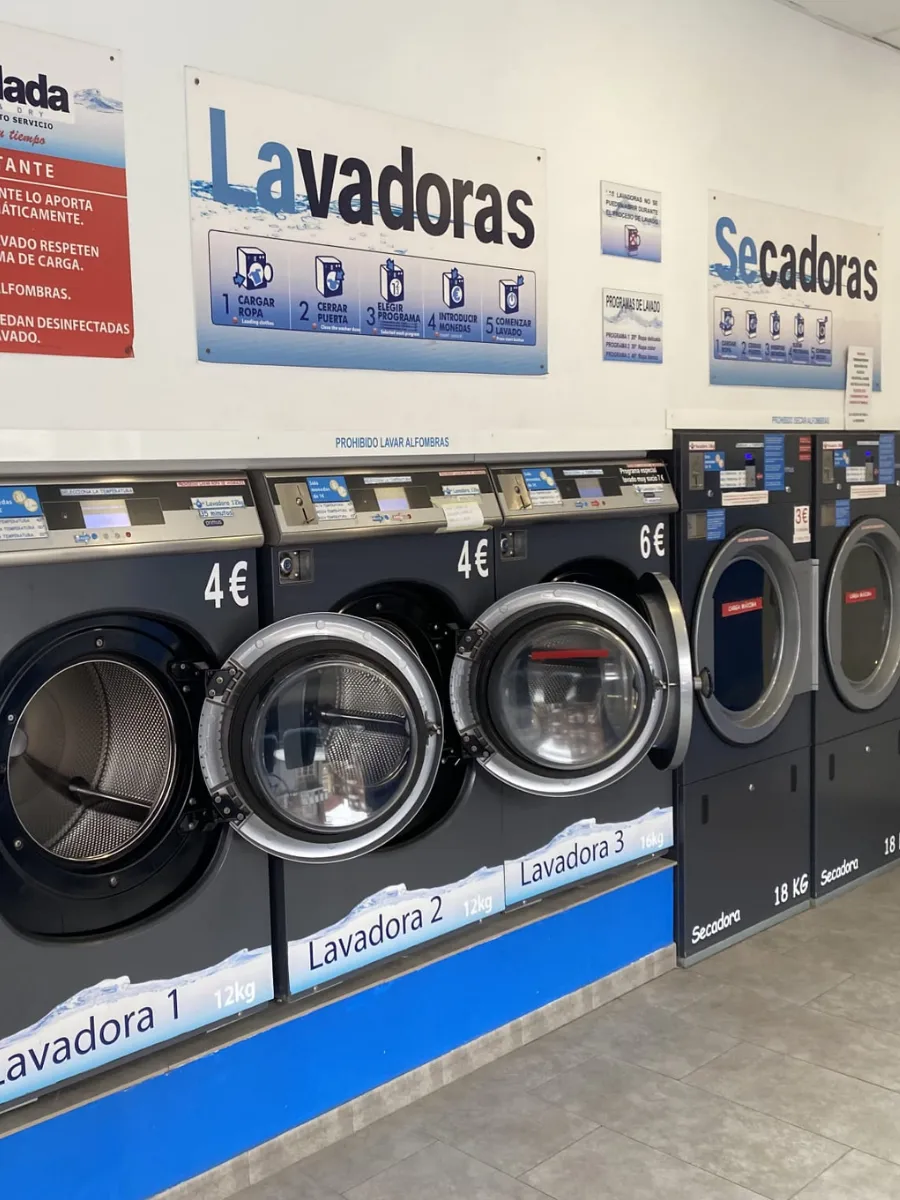
At LaColada Ponferrada, we feel we are coming full circle. We return to a model where washing is done outside the home, but with advantages our grandmothers never dreamed of:
- Time: What used to take a whole day of scrubbing and rinsing is now resolved in less than an hour (washing and drying).
- Capacity: Duvets, heavy blankets, and giant loads that don't fit in a home machine (nor in a wicker basket).
- Technology: We use automatic dosing systems and temperature control that protect fabrics much better than the old wooden board.
You no longer have to break the river ice, nor make soap with fat from the slaughter. But the goal remains the same as those women had in the Trabadelo washhouse in 1849: the dignity and comfort of clean and well-cared-for clothes.
Do Your Laundry with 21st Century Technology
If you want to experience the evolution of washing, come see us at C/ San Valerio. No chilblains, with WiFi, and with the guarantee of industrial machinery checked to the millimeter for a perfect finish. Your clothes will thank you!
Our Laundry in Ponferrada
Sebastián R.
More than 10 years at the helm of Lacolada Lavanderia Autoservicio Ponferrada and repairing industrial and domestic machinery in my spare time. You won't find unverified theories from the internet here, just real solutions tested by someone who gets their hands dirty every day.
Practical Guides and Tips
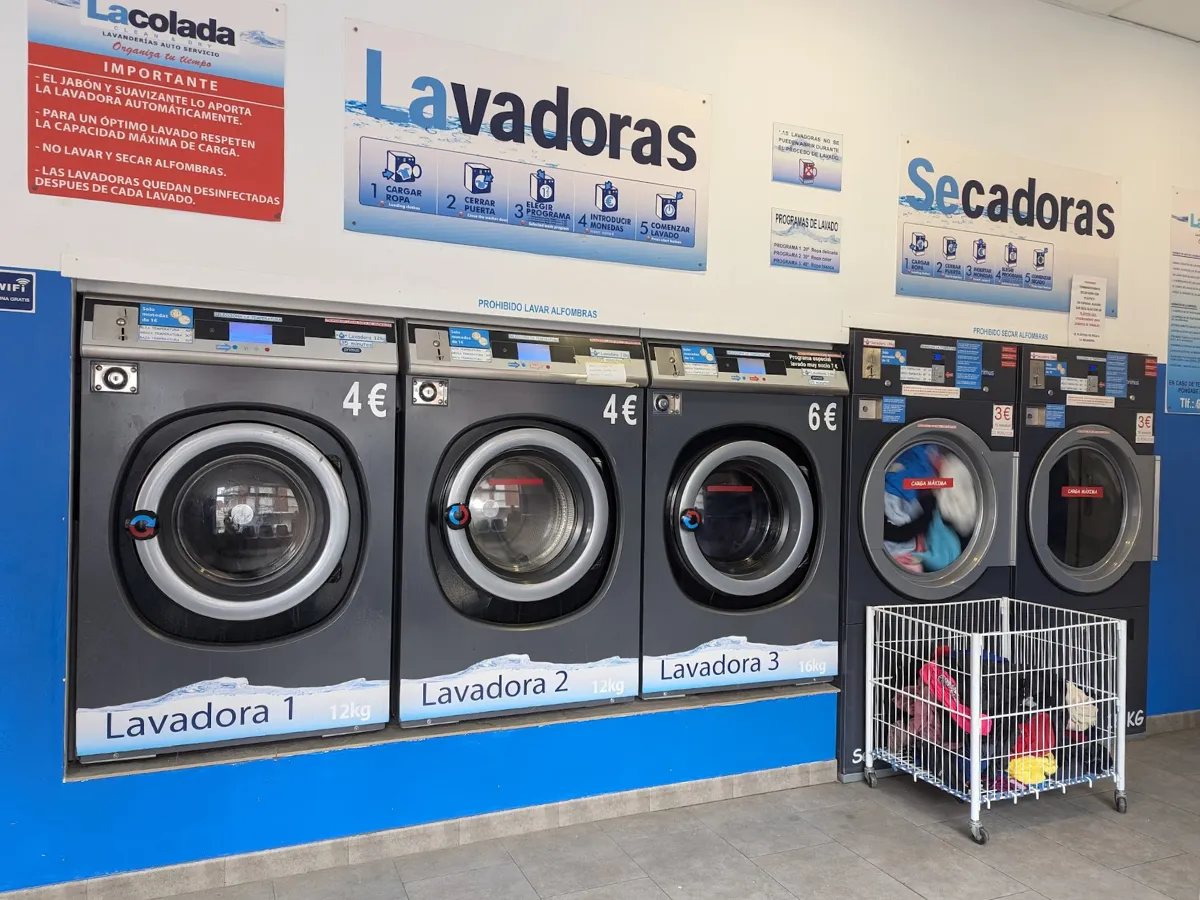
How Does a Self-Service Laundromat Work?
Quick guide to using our machines if it's your first time.
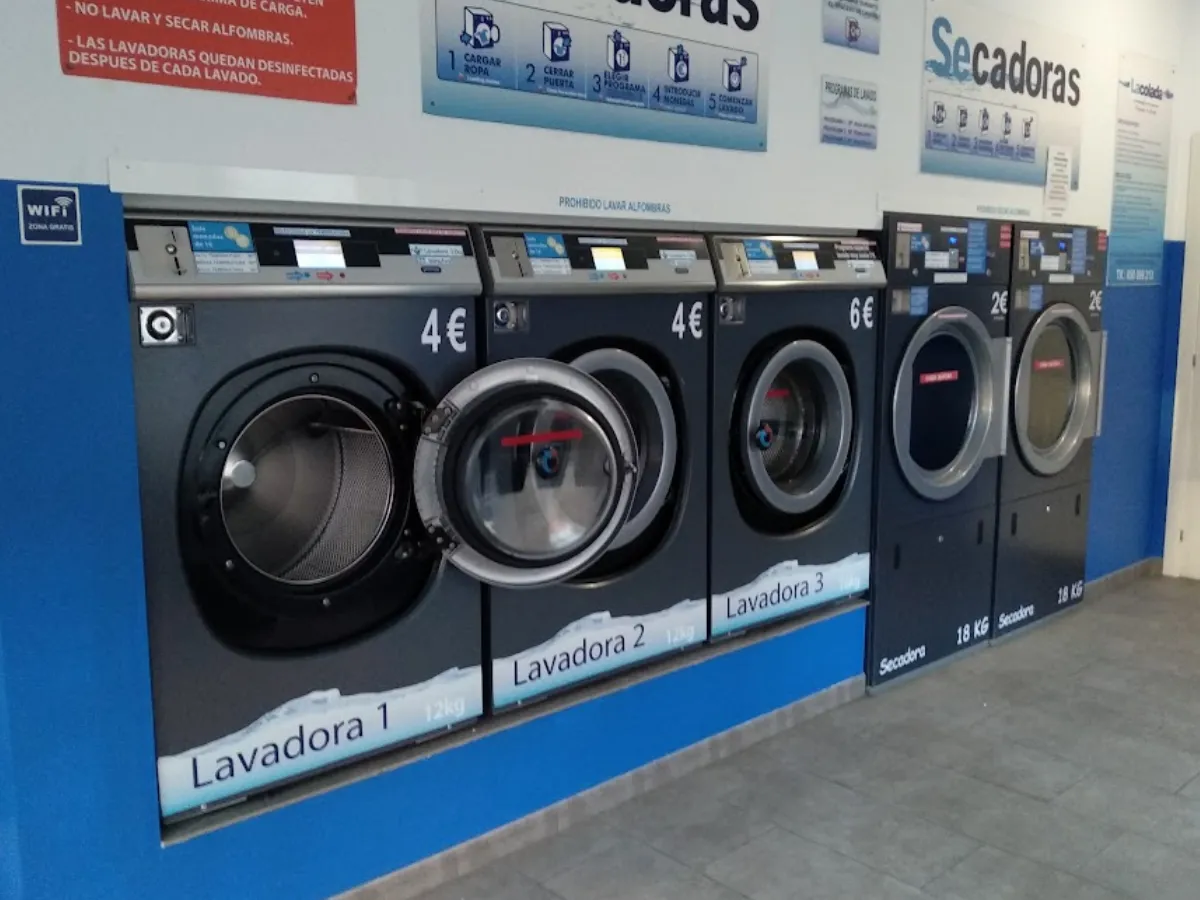
Services We Offer in Ponferrada
Discover everything we can wash for you, from duvets to workwear.

Avoid shrinking your favorite clothes by learning to read the symbols.