What is Elastane? The Secret to Why Your Jeans are Comfortable
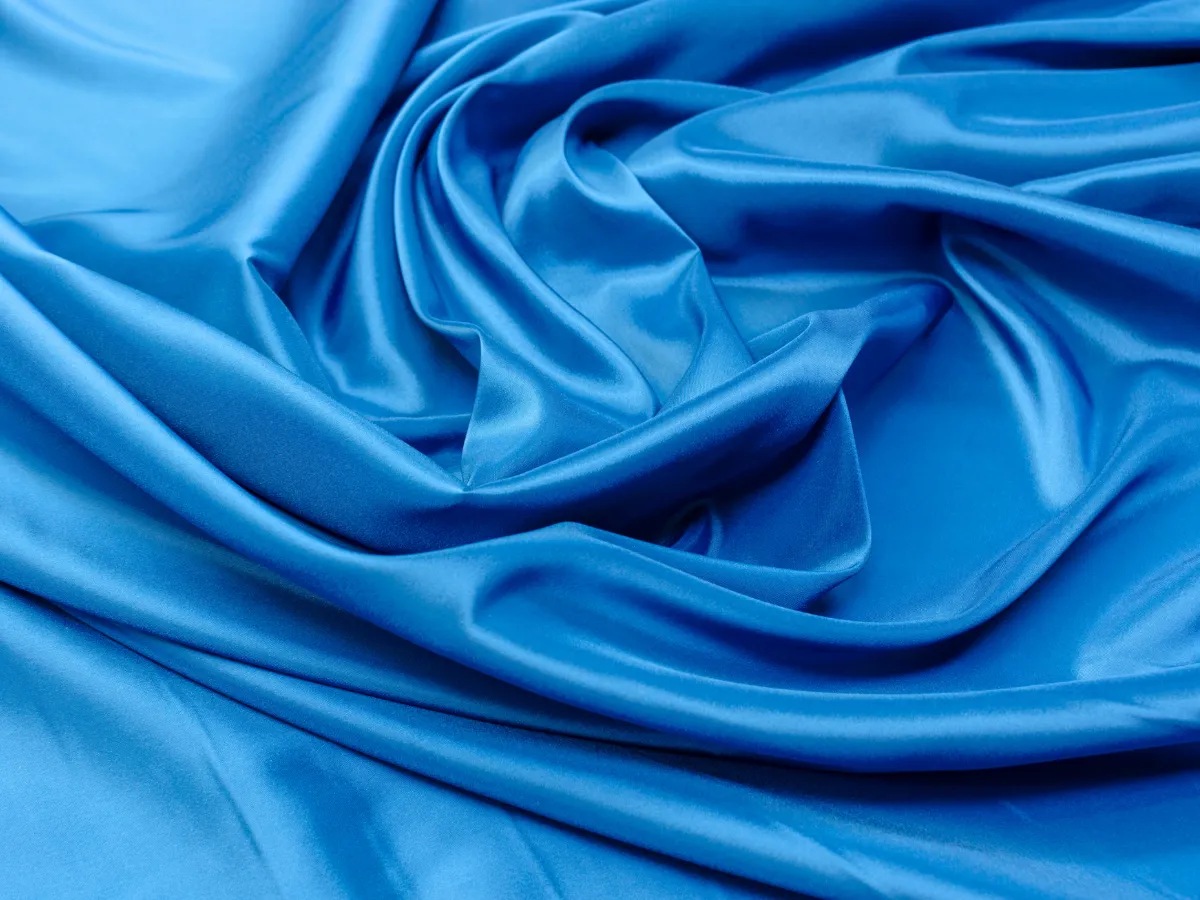
Often, when people come to wash their jeans at LaColada, they comment: "Hey, these pants used to fit tight and now they are loose, have I lost weight?". I wish it were always that, but as a textile technician, I tell you that the fault usually lies with poorly cared-for elastane. My grandmother, who saw nylon stockings born in her haberdashery, was amazed when "Lycra" arrived. She said it was witchcraft that a garment could stretch so much and go back to its place.
Nowadays, almost everything we wear has a percentage of this material. But do you really know what elastane is, what it is for, and most importantly, how to avoid ruining it in the washing machine? Let's see.
What Exactly is Elastane?
Elastane is a synthetic fiber derived from petroleum (polyurethane, to be exact). Its superpower is elasticity: it can stretch up to 5 or 6 times its original length and recover its initial shape instantly, without breaking or deforming. It's like a microscopic rubber band woven inside your clothes.
Is it the same as Spandex or Lycra?
This is the million-dollar question. Yes, they are exactly the same:
- Elastane: Is the generic technical name we use in Europe.
- Spandex: Is the generic name used in the United States (it comes from the anagram of "expands").
- Lycra®: Is the most famous commercial brand that invented and popularized this fiber (just like we call tissues Kleenex).
What is it for and where is it used?
Elastane never goes alone. Imagine pants made of 100% elastic rubber... it would be extremely uncomfortable and wouldn't breathe. It is always mixed with other fibers (cotton, polyester, nylon) in small percentages, usually between 2% and 20%.
We find it in:
- Jeans: That 2-3% of elastane is what allows you to bend down without the pants cutting off your circulation.
- Sportswear: Leggings, tights, and technical shirts carry a high percentage (10-20%) to fit the body and allow freedom of movement.
- Underwear and Swimwear: Essential for the garment to stay in place.
- Socks: So they don't fall down to your ankle after two steps.
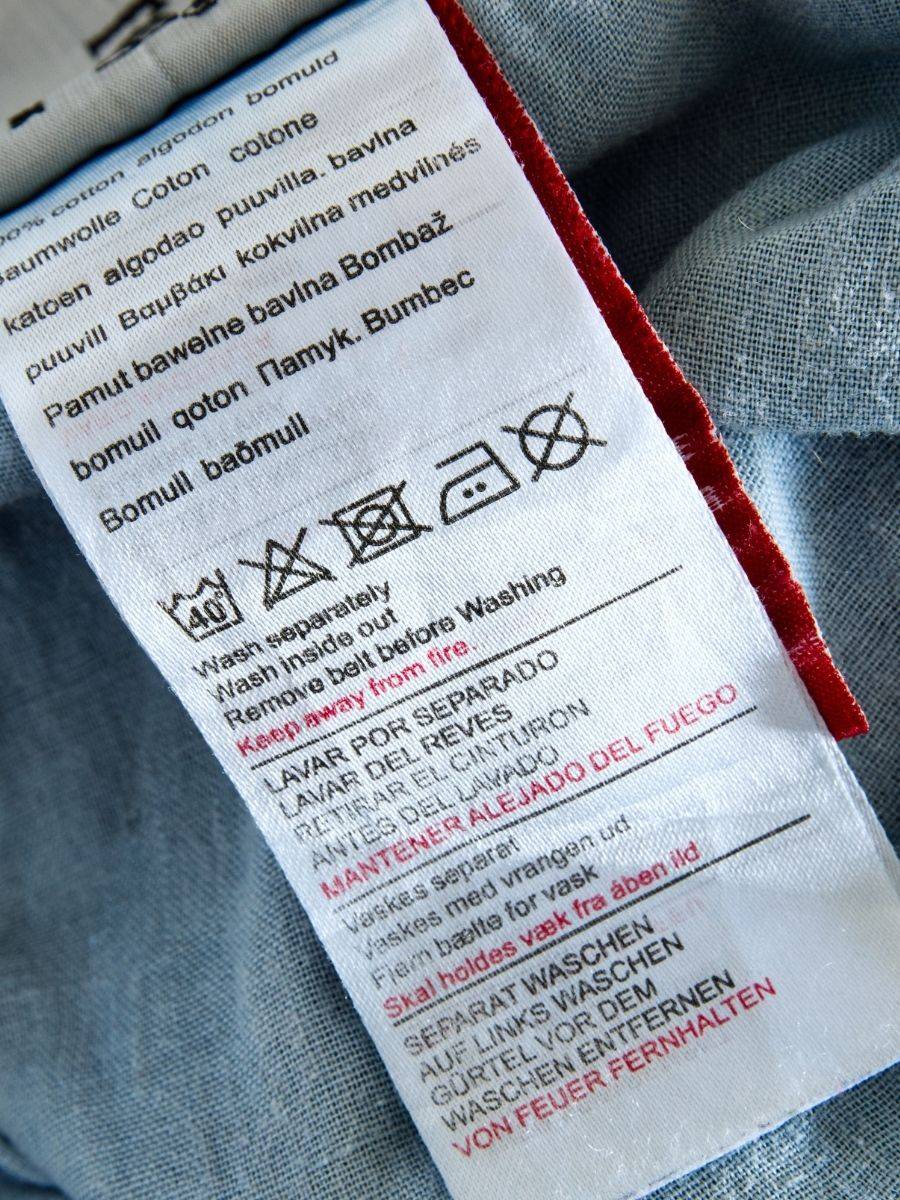
Elastane's Enemy #1: Heat
Here comes the technical maintenance part. As I told you, elastane is a type of plastic. What happens to plastic with heat? It melts or deforms.
If you wash your stretch jeans or sports tights at 60ºC (140ºF) or put them in the dryer at full power, you are "frying" the elastane fibers. At first, you won't notice it, but gradually those microscopic rubbers break and lose their ability to recover their shape.
Result: The pants start to bag at the knees, the waist becomes loose, and the underwear loses its fit. And no, it cannot be fixed. Once elastane "dies," it does not resurrect.
How to Care for Clothes with Elastane (Quick Guide)
To keep your elastic garments looking new for years, follow these tips we apply at LaColada Ponferrada:
- Cold or warm water: Never exceed 30ºC or 40ºC.
- Avoid fabric softener: On clothes with a lot of elastane (like sportswear), softener can "clog" the fibers and leave residues that trap odors.
- Dryer with caution: If you use a dryer, always on low temperature or synthetic programs. Excessive heat is deadly.
- Do not use bleach: Chlorine chemically attacks elastane and turns it yellow and brittle.
- Gentle ironing: If you have to iron, do it at low temperature and without excessive direct steam.

Sebastián R.
More than 10 years at the helm of Lacolada Lavanderia Autoservicio Ponferrada and repairing industrial and domestic machinery in my spare time. You won't find unverified theories from the internet here, just real solutions tested by someone who gets their hands dirty every day.
More Tips on Fabrics and Care
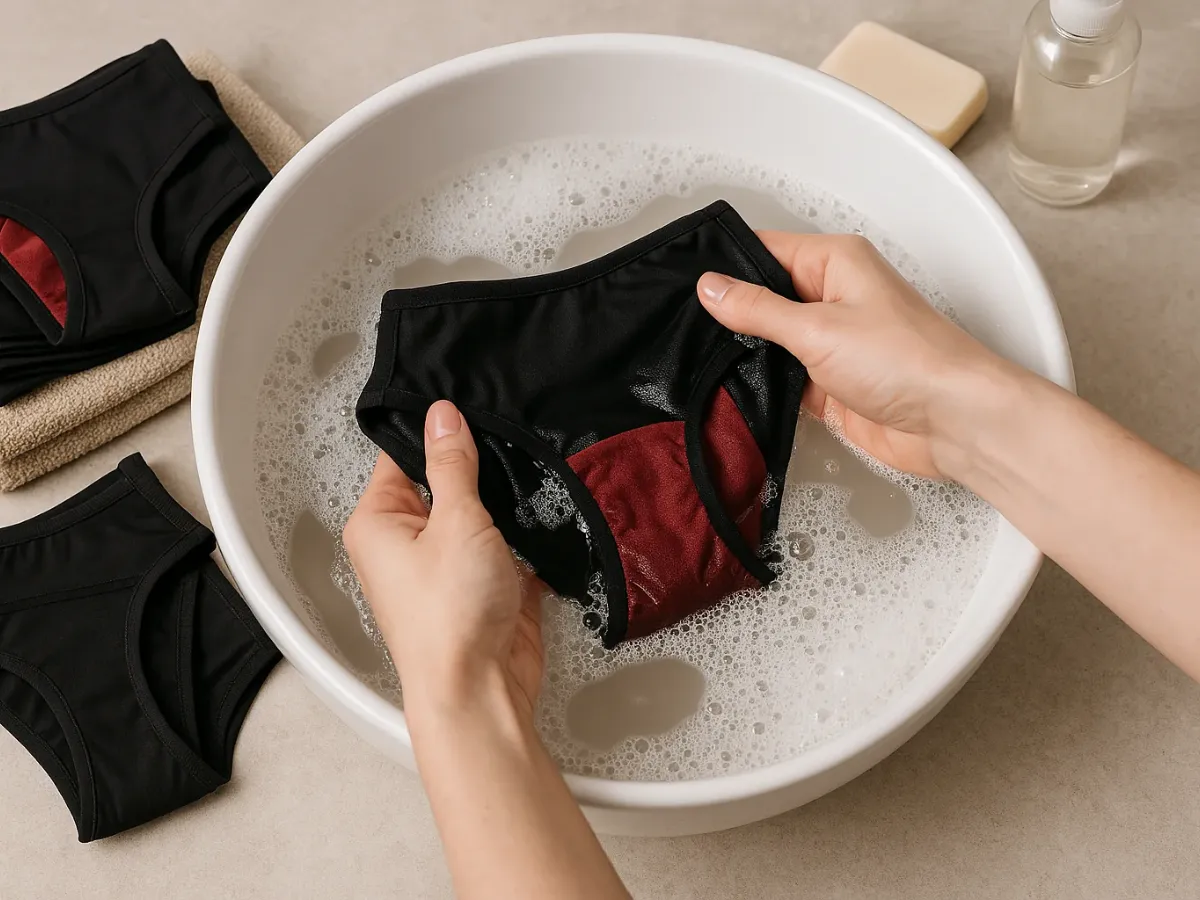
How to Wash Menstrual Underwear: Hygiene and Care Guide
Menstrual panties usually contain elastane. Learn how to wash them to maintain their absorption and elasticity.
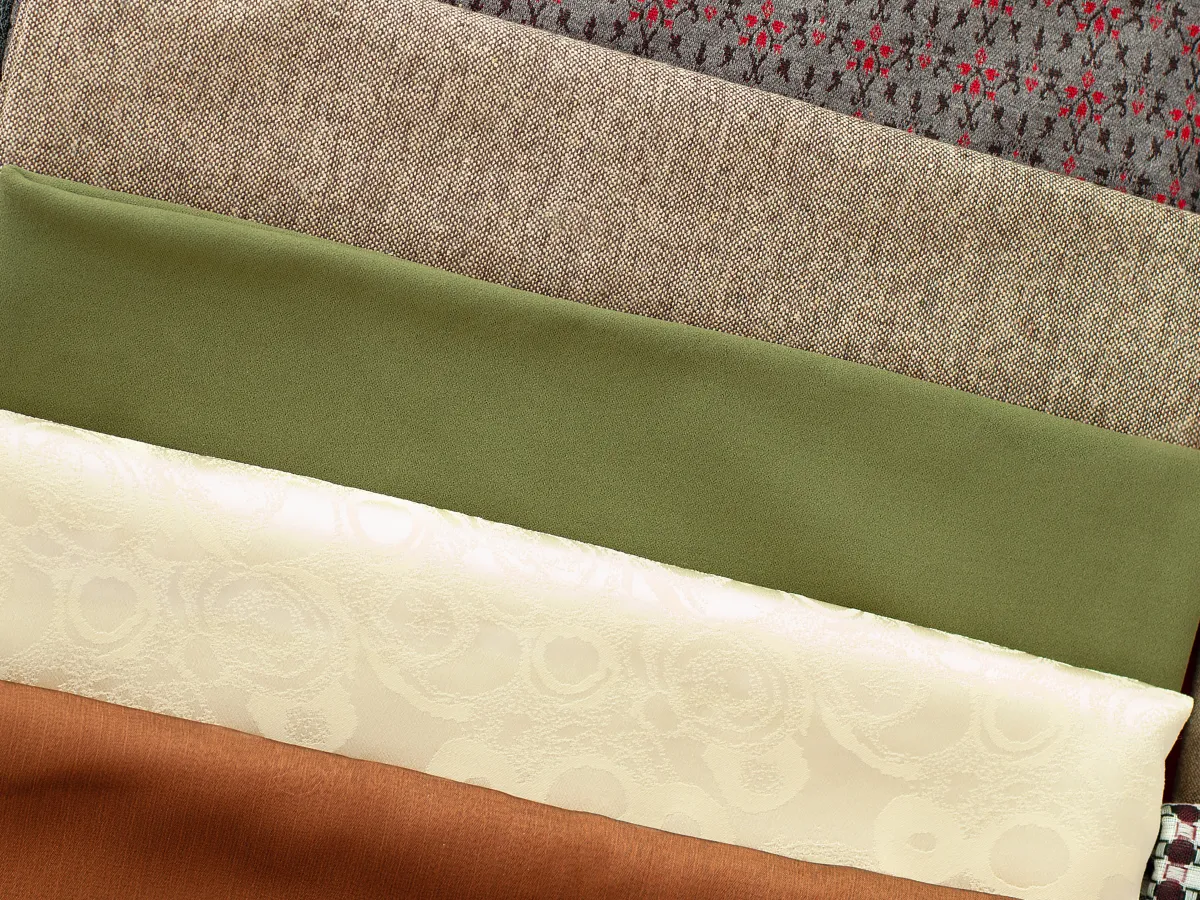
Types of Fabrics and Weaves: Ultimate Guide
Not everything is cotton. Learn about synthetic fibers like elastane and how they are blended to improve your clothes.
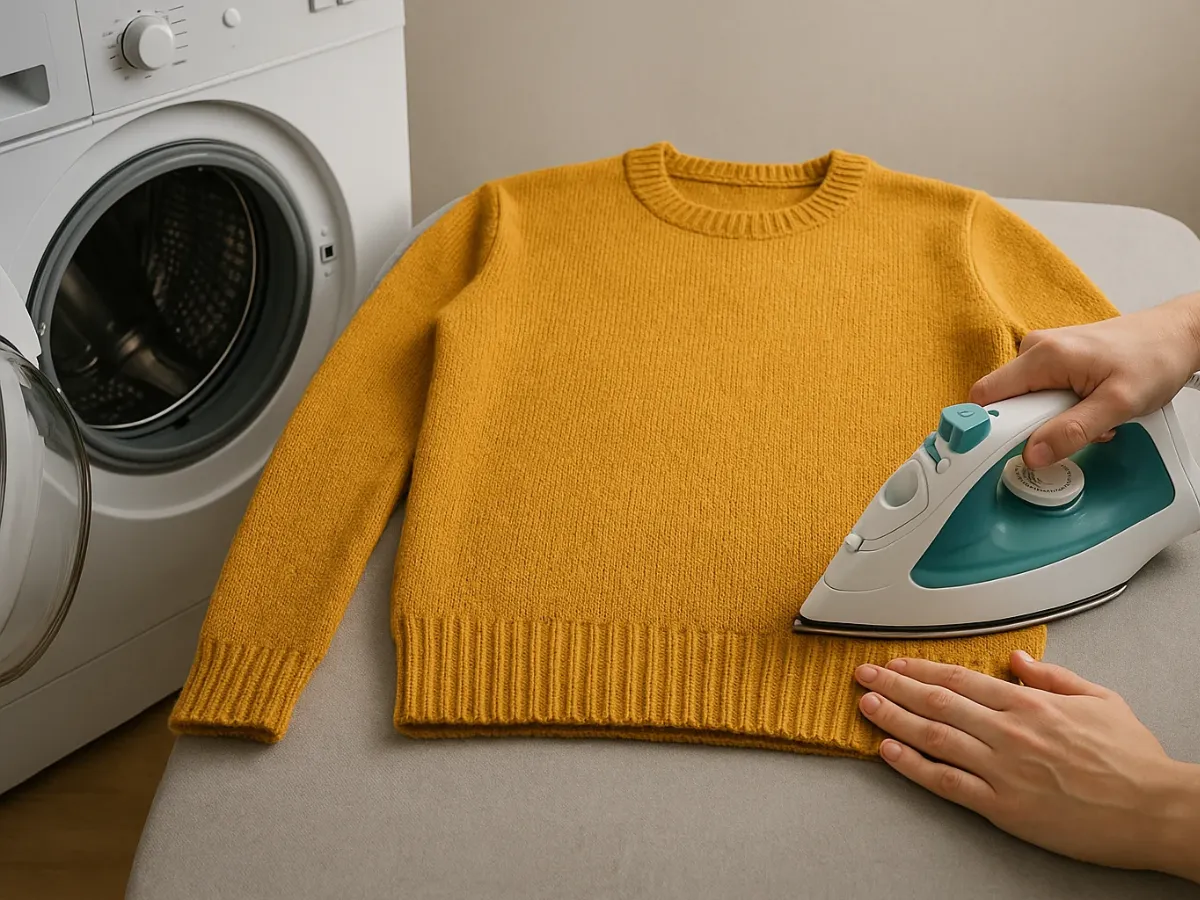
How to Shrink an Acrylic Sweater (and What Not to Do)
If you've overdone it with the dryer and your stretchy clothes have shrunk, we explain why and if there's a solution.