Types of Fabrics and Weaves: Ultimate Guide to Caring for Your Clothes
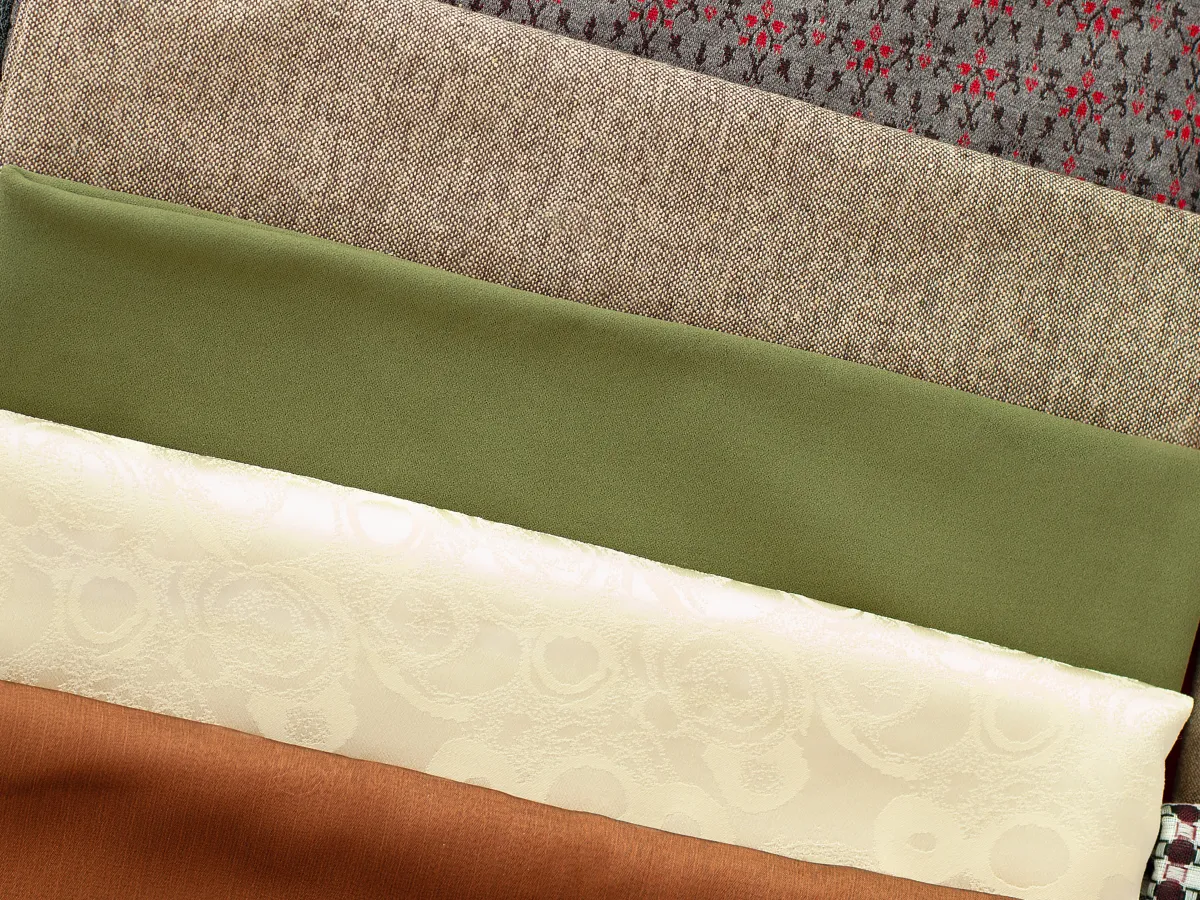
In my daily life repairing washing machines and managing LaColada here in Ponferrada, I see everything. From down duvets clumped together due to poor drying to wool sweaters looking like doll clothes due to hot washing. And almost always, the problem isn't the machine, but the lack of knowledge about the material. My grandmother, who spent her life among rolls of fabric in her haberdashery, used to tell me: "Son, every fabric has its character, and if you don't respect it, it gets angry."
Understanding the types of fabrics and weaves isn't just for fashion designers. Knowing what your clothes are made of is fundamental to making them last for years, not wasting money, and above all, not ruining them in the first wash. In this guide, we're going to break down the most common fibers and fabrics, their pros, cons, and how to treat them, with the practical view of someone who watches them spin in the drum every day.
Basic Concepts: Fiber vs. Fabric
Before we get into the details, let's clarify two terms that people often confuse:
- Fiber: This is the raw material. Imagine sheep's wool or the cotton flower. It is the basic "ingredient."
- Fabric (Weave/Knit): This is the way those threads are interlaced. You can have a cotton fiber woven into denim (jeans) or knitted into a t-shirt (jersey). The material is the same, but the structure changes.
Classification by Fiber Origin
The most important division is where the material comes from. This determines if the garment breathes, keeps you warm, or melts with the iron.
1. Natural Fibers (The Queens of Comfort)
They come directly from nature, either from plants or animals. They are the ones that "breathe" best and feel most pleasant to the touch.
- Cotton: The undisputed king. Soft, resistant, hypoallergenic, and very breathable. Ideal for underwear, sheets, and t-shirts. Withstands temperature well, but takes time to dry.
- Linen: Extracted from the flax plant. It is more rigid and cooler than cotton, perfect for the summer in León. Its big downside is that it wrinkles just by looking at it. If you want to know how to care for it, check out our guide on how to wash linen.
- Wool: Animal fiber (sheep, goat, alpaca). It is the best natural thermal insulator. Careful when washing it: hot water and agitation shrink it irremediably.
- Silk: Produced by silkworms. It is luxurious, shiny, and thermoregulating (cool in summer, warm in winter), but very delicate with stains and sweat.
2. Artificial Fibers (The Hybrid)
Careful here, artificial is not the same as synthetic. Artificial fibers come from natural matter (wood cellulose, bamboo) but are chemically processed.
- Viscose / Rayon: Has a silky touch and a beautiful drape. It is very cool but weakens significantly when wet. Never twist it.
- Modal and Lyocell (Tencel): Improved versions of viscose, more resistant and sustainable. Widely used in bedding and soft underwear.
3. Synthetic Fibers (Plastic Resistance)
These come out of a laboratory, derived from petroleum. They are durable, cheap, and dry quickly, but do not breathe well.
- Polyester: The omnipresent one. Doesn't wrinkle, withstands pulling, and keeps color. The problem is it retains odors if not washed well. Here I explain how to wash polyester to avoid that "old gym" smell.
- Nylon (Polyamide): Very resistant and elastic. Used in stockings, swimwear, and sportswear.
- Elastane (Spandex/Lycra): The magic fiber that gives elasticity. It is always mixed (e.g., cotton + 5% elastane) so jeans aren't stiff as cardboard. Excessive dryer heat breaks these fibers, and clothes lose their shape.
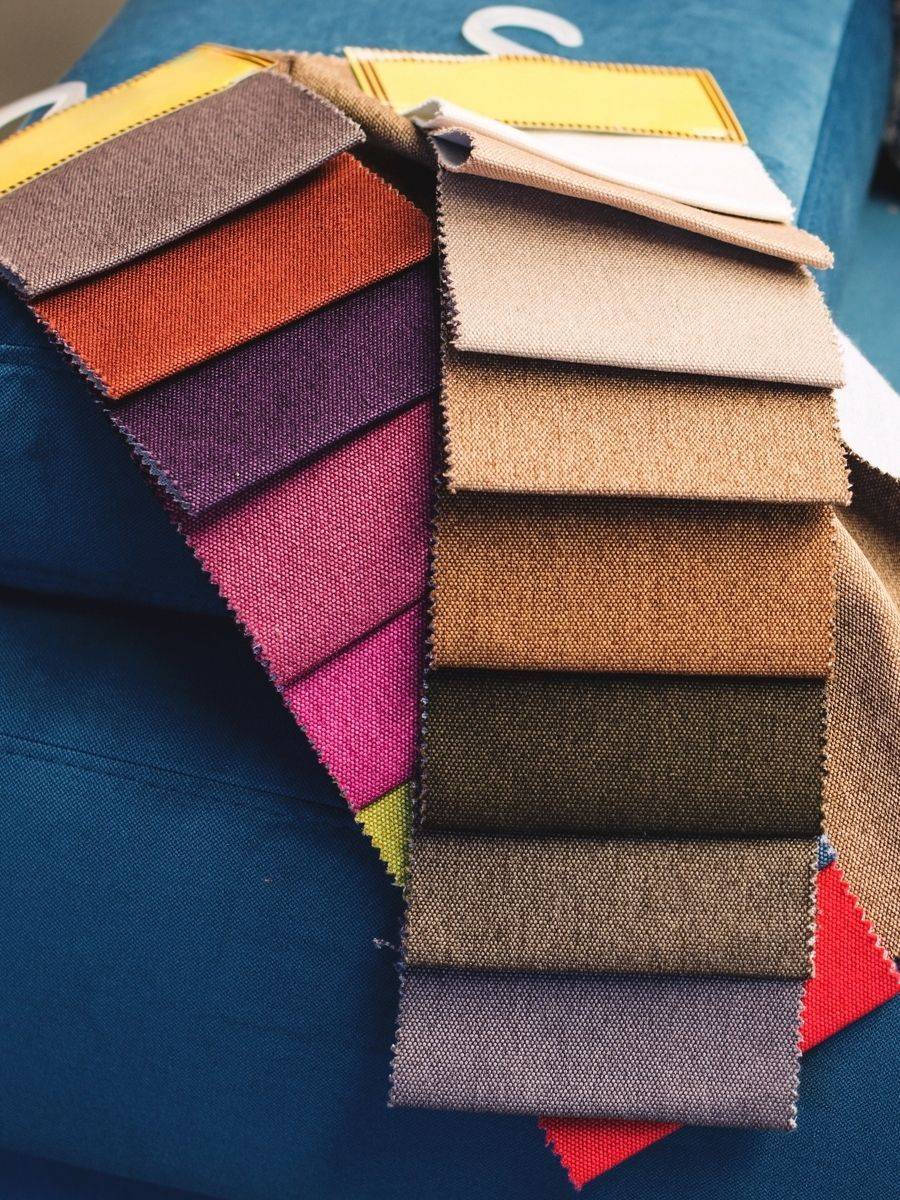
Classification by Weave Type (The Structure)
Now that we know the material, let's see how it is constructed. This defines whether the fabric is rigid or stretchy.
Woven Fabric (Flat Weave)
Vertical and horizontal threads crossed like a grid. They are stable fabrics that do not give (unless they contain elastane).
- Taffeta/Poplin: The basic one. One thread over, one under. E.g., dress shirts.
- Twill: Makes diagonal lines. It is very resistant. The classic example is Denim.
- Satin: Threads "float" over the top to give shine and softness. Very elegant but snags easily.
Knitted Fabric
It's like knitting, making loops. This makes the fabric elastic and adaptable to the body, even without elastane.
- Jersey: The one for basic t-shirts. Rolls at the edges if cut.
- Interlock: Thicker and more stable, looks the same on both sides.
- Fleece: For sweatshirts, sometimes brushed on the inside to provide warmth.
How to Choose the Right Fabric for the Use
As a technician, I see many mistakes made by using the wrong fabric at the wrong time.
| Usage | Best Fabrics | Why |
|---|---|---|
| Summer Clothes | Linen, Light Cotton, Viscose | Breathe and absorb sweat. |
| Sports | Technical Polyester, Nylon | Wick sweat and dry quickly. |
| Coats/Outerwear | Wool, Fleece (Polyester) | Retain body heat. |
| Bedding | Cotton Percale or Satin | Durability and thermal comfort. |
Expert Care Tips
To finish, three golden rules we apply at LaColada Ponferrada:
- Read the label: It seems obvious, but nobody does it. Learning washing symbols will save you many upsets.
- Careful with the dryer: Natural fibers (cotton, wool, linen) tend to shrink with excessive heat. Synthetics hold up better, but elastane dies if you exceed the temperature.
- Don't abuse fabric softener: On sportswear (synthetic) and towels (cotton), softener creates a film that prevents them from breathing or drying well.

Sebastián R.
More than 10 years at the helm of Lacolada Lavanderia Autoservicio Ponferrada and repairing industrial and domestic machinery in my spare time. You won't find unverified theories from the internet here, just real solutions tested by someone who gets their hands dirty every day.
Learn More About Textile Care
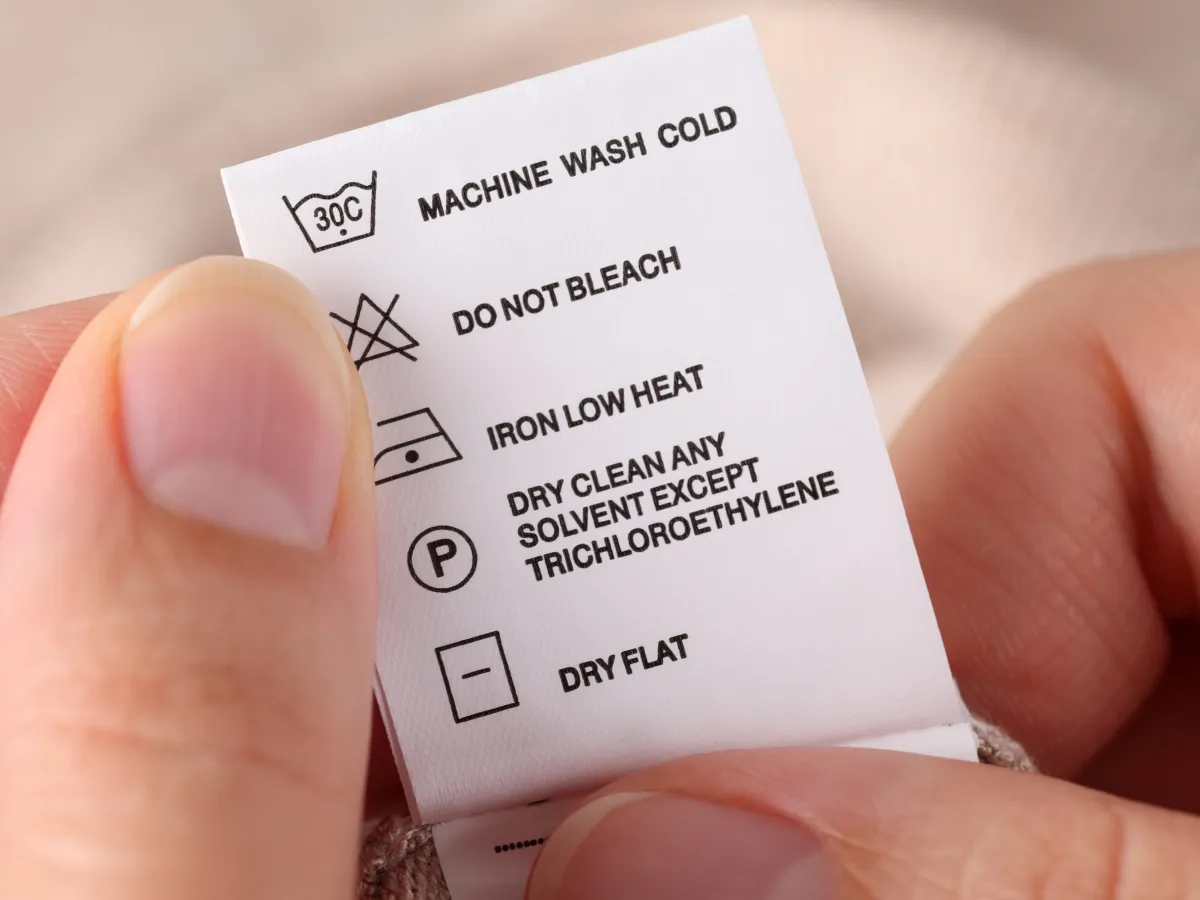
The Meaning of Washing Labels (Complete Guide)
Learn to decipher the symbols on your clothes labels to avoid disasters in the washing machine.
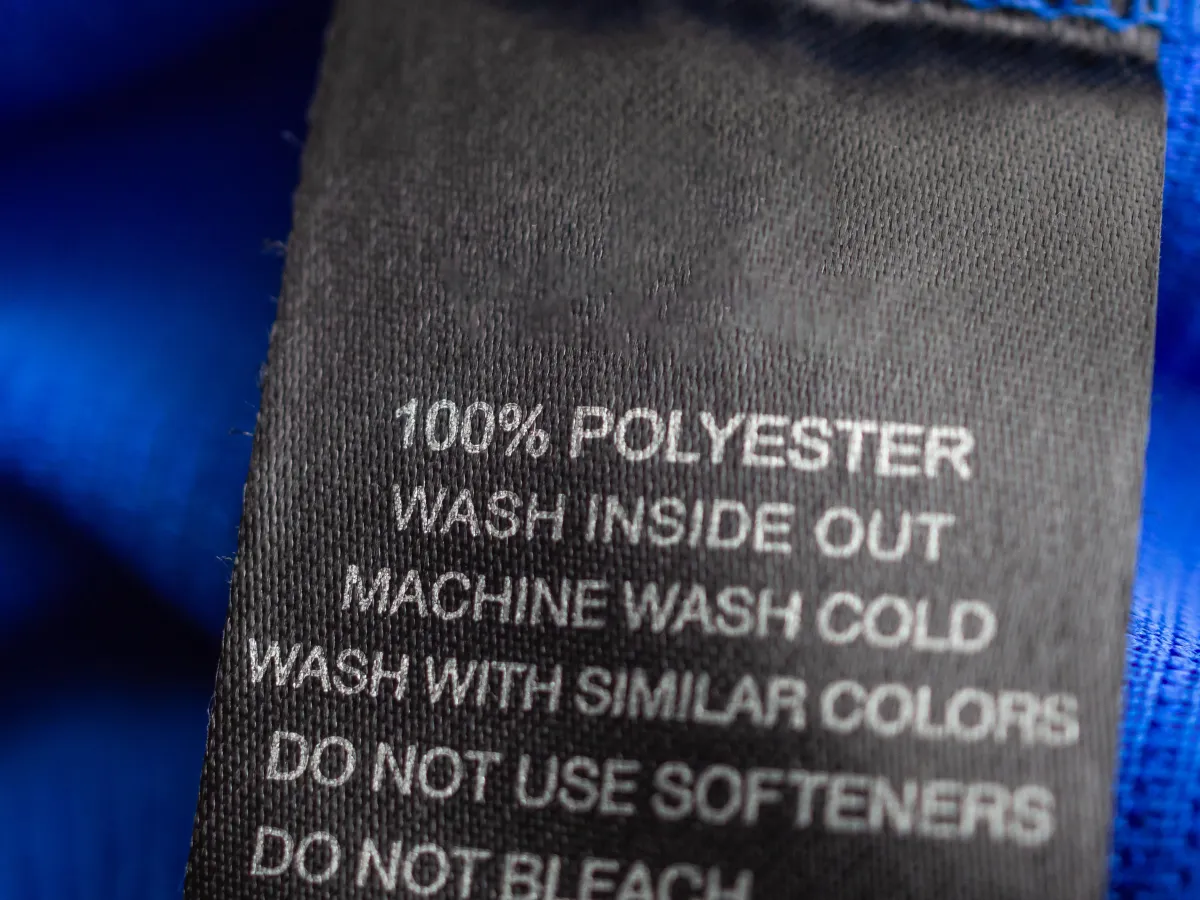
How to Wash Polyester: Tricks to Avoid Odors
Polyester is resistant but treacherous with odors. I'll teach you how to wash it correctly.
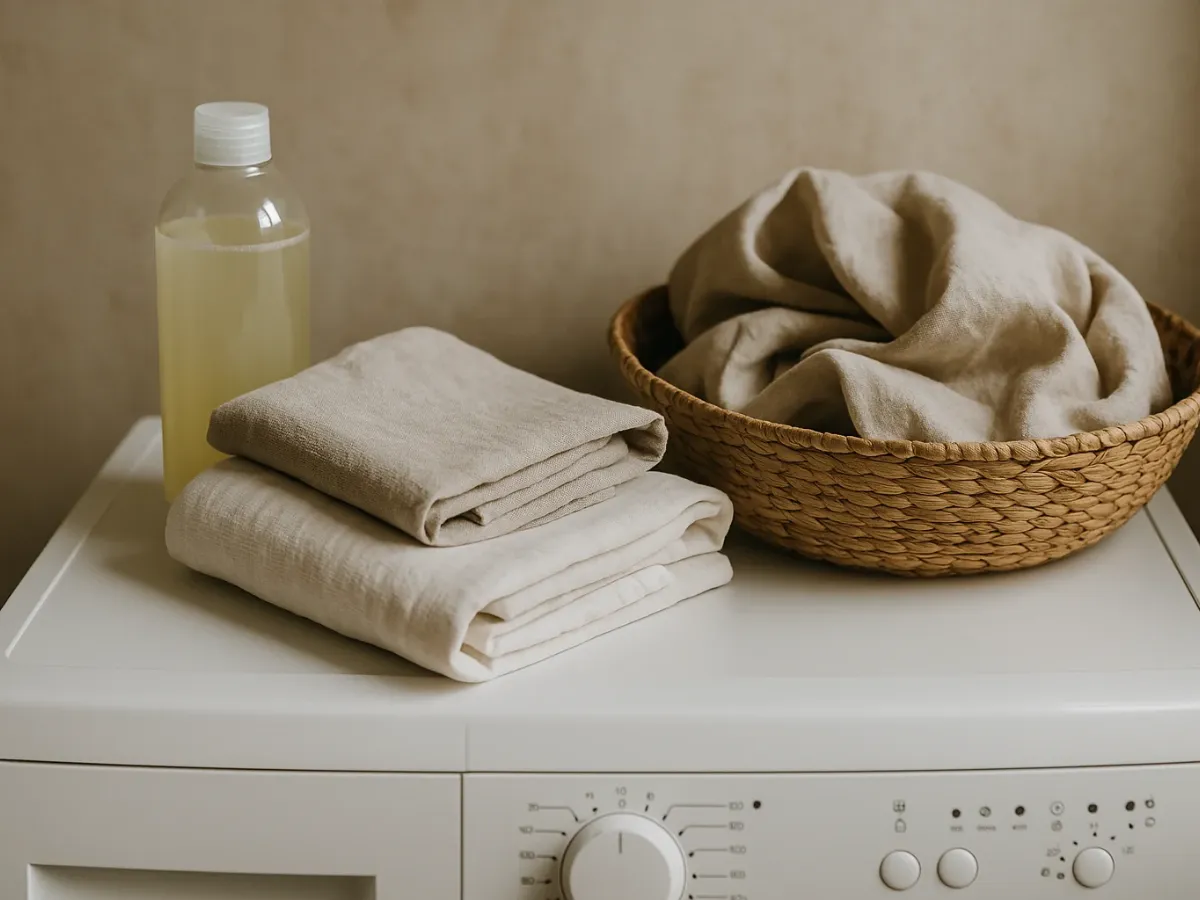
How to Wash Linen to Prevent Shrinking or Loss of Shine
Linen is elegant but delicate. Discover the secrets to keeping it impeccable wash after wash.