Rookie Mistakes at Self-Service Laundromats
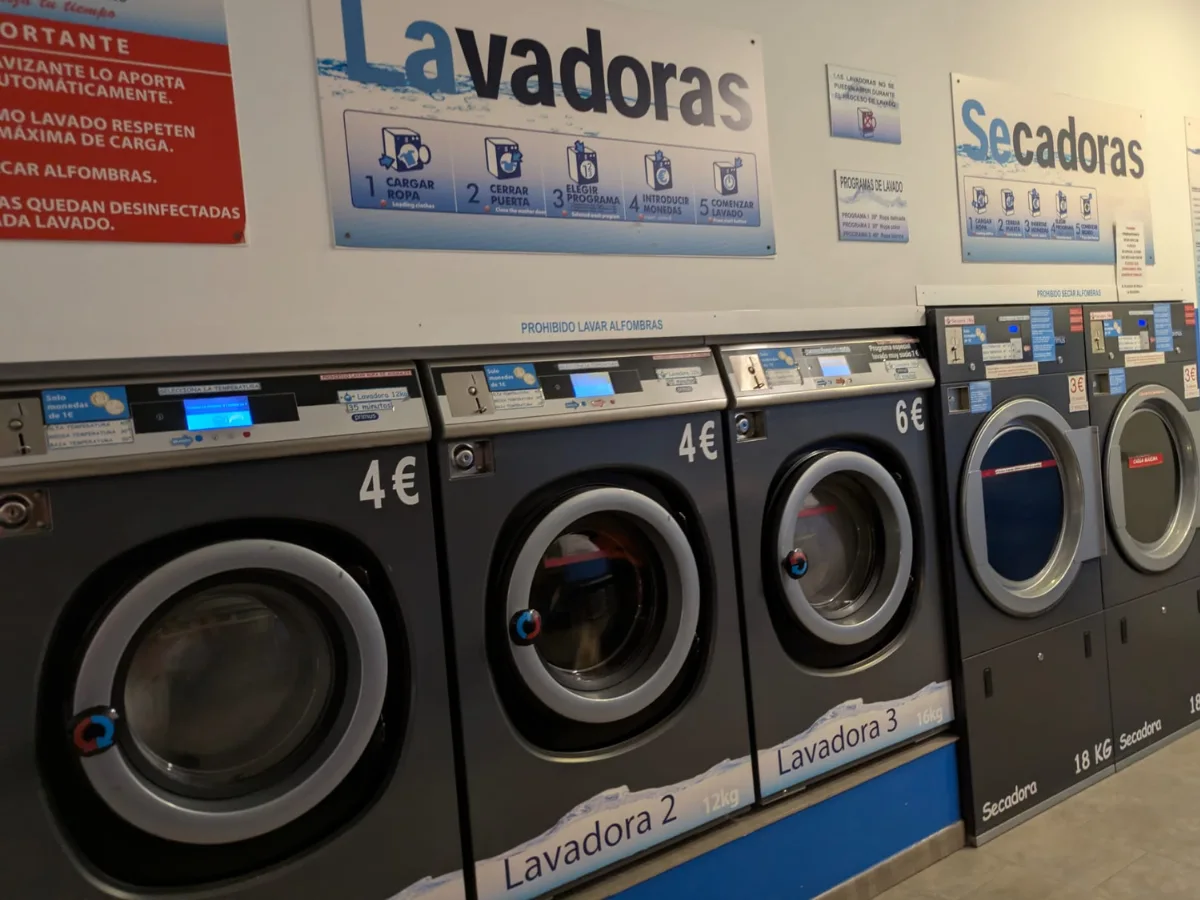
When I walk into a laundromat, sometimes I don't even need to look at the machines; I know something is wrong just by the sound. A metallic "clank-clank" tells me someone left coins in their pocket. A forced humming indicates someone is trying to wash three comforters in a machine designed for one.
1. The "Tetris Syndrome": Overloading the Machine
This is the classic number one error. You arrive with three bags of clothes and want to stuff everything into a single 12kg washer to save 4 euros. I understand, but physics doesn't work that way.
The technical explanation: A washing machine doesn't clean just by submerging clothes in soapy water. It cleans through mechanical action. The clothes need to lift up in the drum and fall (hit) against the water. If you fill the drum to the top, the clothes clump together, rotate as a block, and the water doesn't circulate between the fibers.
The result:
- Clothes that come out smelling like "wet dog" because they haven't been rinsed well.
- Stains that are still there because the detergent didn't reach them.
- Premature wear of the washing machine bearings (although that hurts me more than you).
My advice: Always leave a hand's width of free space at the top of the drum. If you have to push with your foot to close the door, you're doing it wrong.
2. "More Soap is Cleaner" (False)
In modern self-service laundries like ours, machines have peristaltic pumps that inject the exact amount of industrial detergent and softener according to the program. However, I see people bringing their own bottle and pouring an extra splash "just in case".
Why it's a serious mistake: Excess soap creates a cushion of foam. Do you know what foam does? It cushions the fall of the clothes (reducing the mechanical action I explained earlier). Furthermore, if the machine's pressure sensor (pressure switch) detects foam in the drain, the machine enters safety mode and performs extra rinses or stops, leaving your clothes soapy and sticky.
If the washing machine already includes detergent, forget about adding anything. If it's one that requires you to bring it, follow the manufacturer's dosage to the letter. More soap = dirtier and stiffer clothes.
3. Pocket Russian Roulette
Coins, screws (yes, I see many from work clothes), paper tissues, gum, and lighters. A lighter in a gas dryer is dangerous, but a screw in a washing machine is lethal.
From a technical point of view, these objects usually slip between the drum and the tub, reaching the drain pump. If the pump gets blocked, the machine doesn't drain, the cycle stops, and your clothes are held hostage floating in dirty water until I arrive to unblock it. Spending 30 seconds checking pockets saves you an hour of waiting and a headache.
4. Ignoring Temperature and Fabrics
I see daily how wool sweaters are put in with jeans and towels, and the "Very Hot" program (60ºC / 140ºF or more) is selected, thinking that disinfects better. Then come the regrets because the sweater now fits the cat.
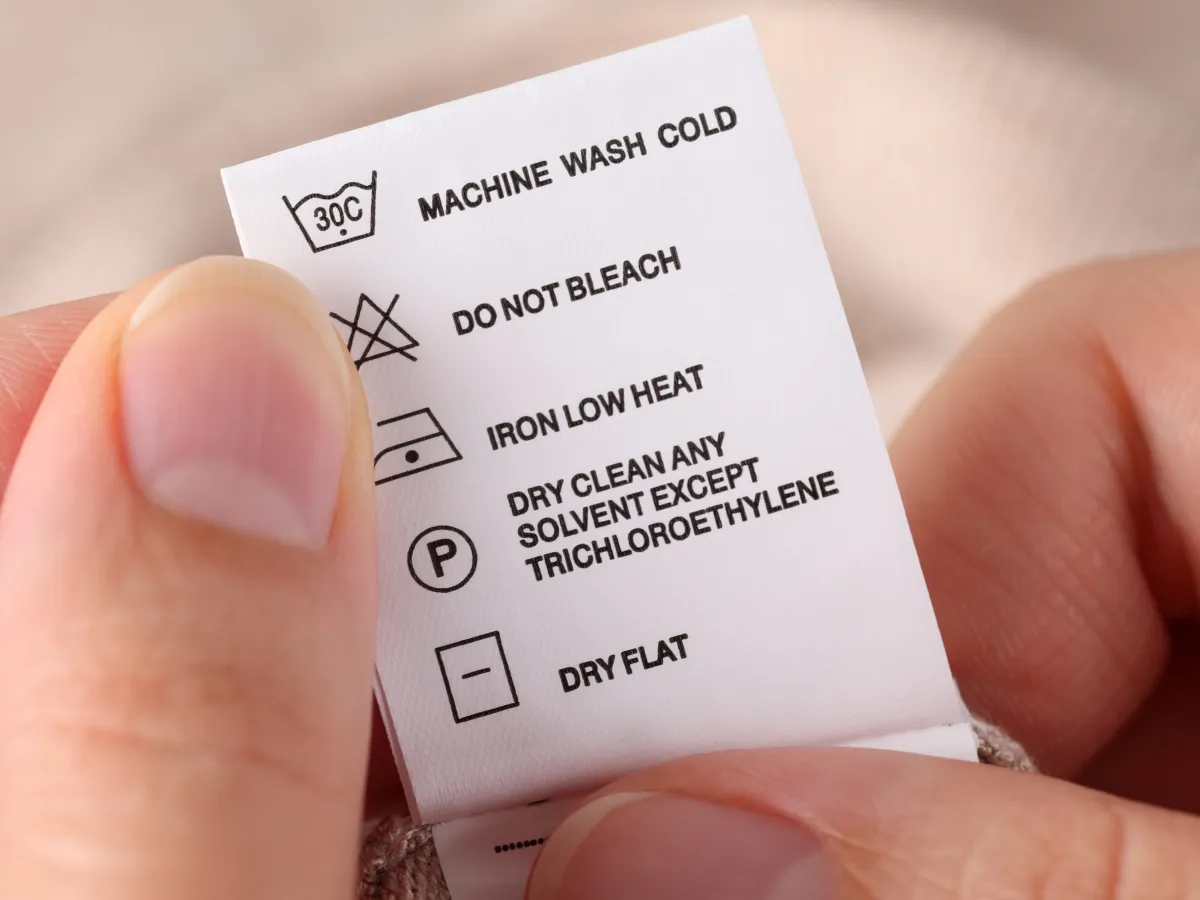
Synthetic fibers and wool react terribly to excessive heat and friction from heavy fabrics. If you have doubts, always check our guide on what washing labels mean. Sorting clothes isn't an old-fashioned habit; it's the only way to make your clothes last.
5. Drying Errors: Haste Kills
The dryer is a marvel, but it has its technique. Two common failures:
- Putting clothes in as a ball: You take the clothes out of the washer and, just as they are in a block, you throw them into the dryer. The hot air won't penetrate the center of the block. Shake out each garment before putting it in; it will take half the time to dry.
- Opening the door prematurely: If you open the door mid-cycle "to see how it's going", you lose all the accumulated heat. The machine has to reheat heating elements or burners, wasting more time and energy.
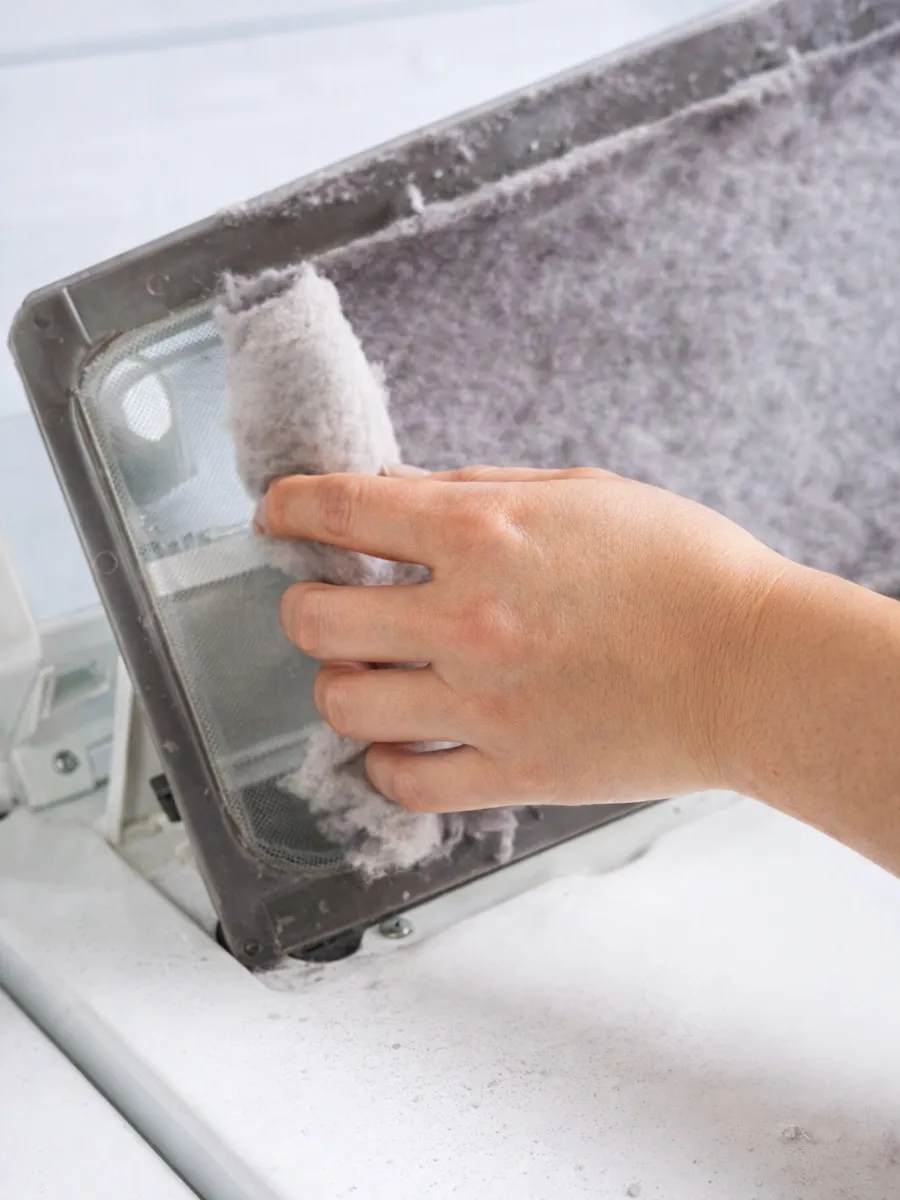
It is also vital to clean the lint filter if the laundry requires it (at LaColada we do it ourselves, but it's good for you to check). A dirty filter prevents airflow and can overheat the machine.
Technician's Conclusion
A self-service laundry is like a high-end rental car: it works wonderfully if you treat it with a minimum of logic. Don't force the load, trust the automatic dosing, and spend a minute separating colors and checking pockets.
If you avoid these mistakes, not only do you take care of our machines (which I appreciate), but your clothes will come out cleaner, softer, and last for years. And if you ever have a doubt in front of the control panel, better to ask before pressing the red button.
Sebastián R.
More than 10 years at the helm of Lacolada Lavanderia Autoservicio Ponferrada and repairing industrial and domestic machinery in my spare time. You won't find unverified theories from the internet here, just real solutions tested by someone who gets their hands dirty every day.
Keep learning about caring for your clothes
How to Wash Large Duvets and Blankets
The number one mistake is trying to stuff a king-size duvet into a home washer. Here I explain how to do it right.