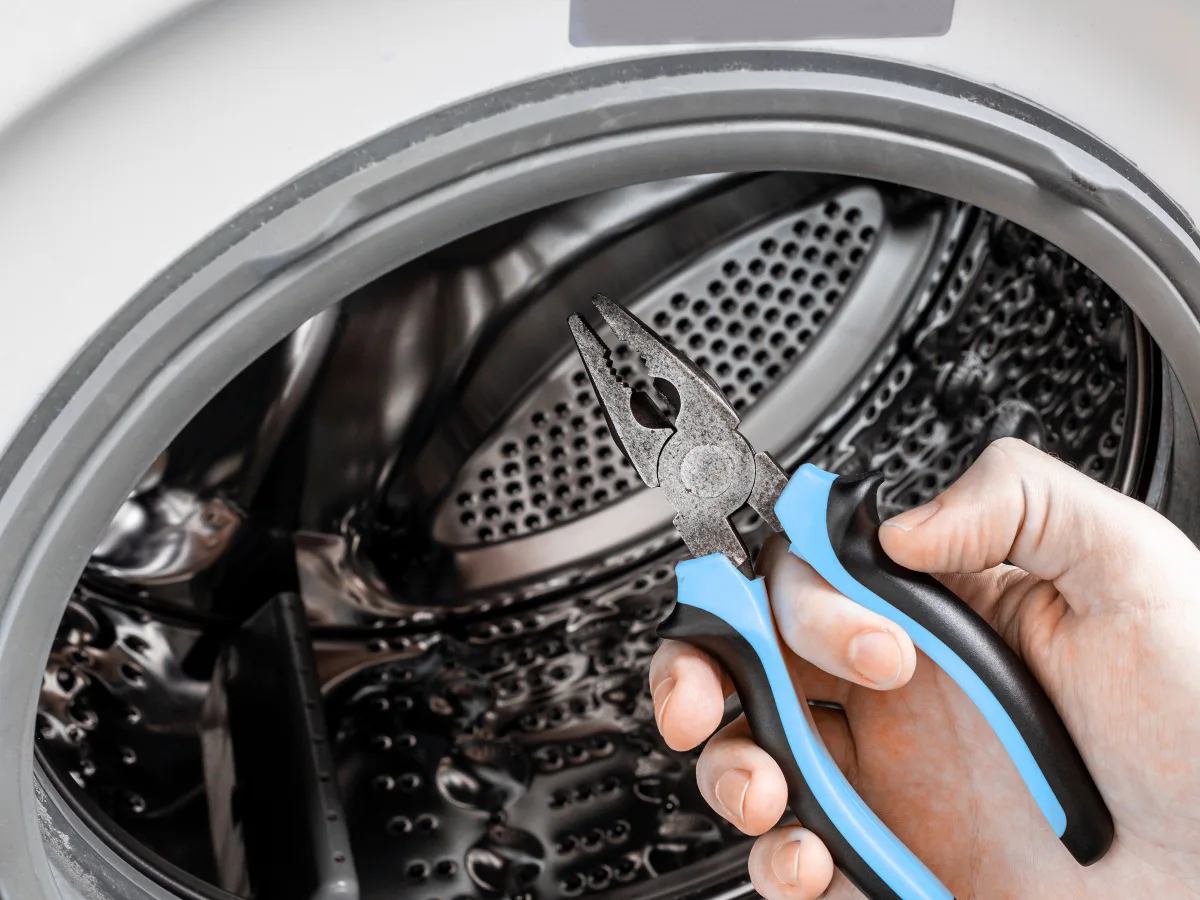
Repair or Replace a Washing Machine
A practical guide to decide whether repairing a washing machine is worth the cost or not.
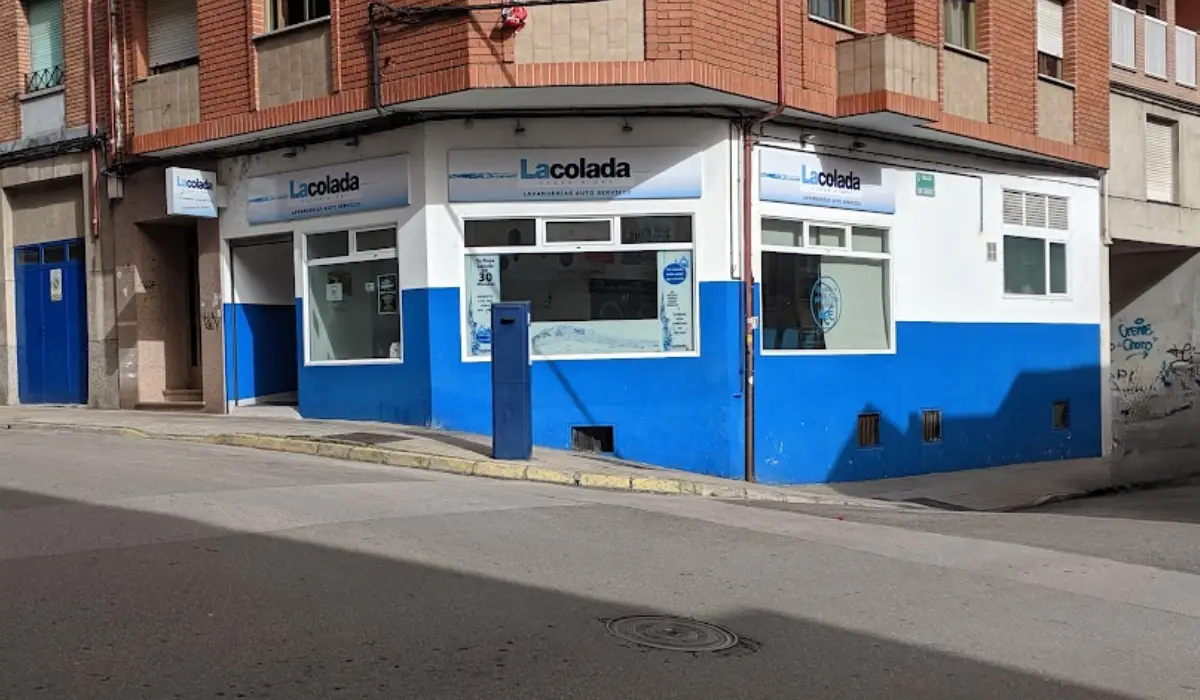
Discover useful tips for the care of your clothes and make the most of our services.
A practical guide to decide whether repairing a washing machine is worth the cost or not.

Why voltage spikes and storms frequently damage washing machine electronic boards in El Bierzo.
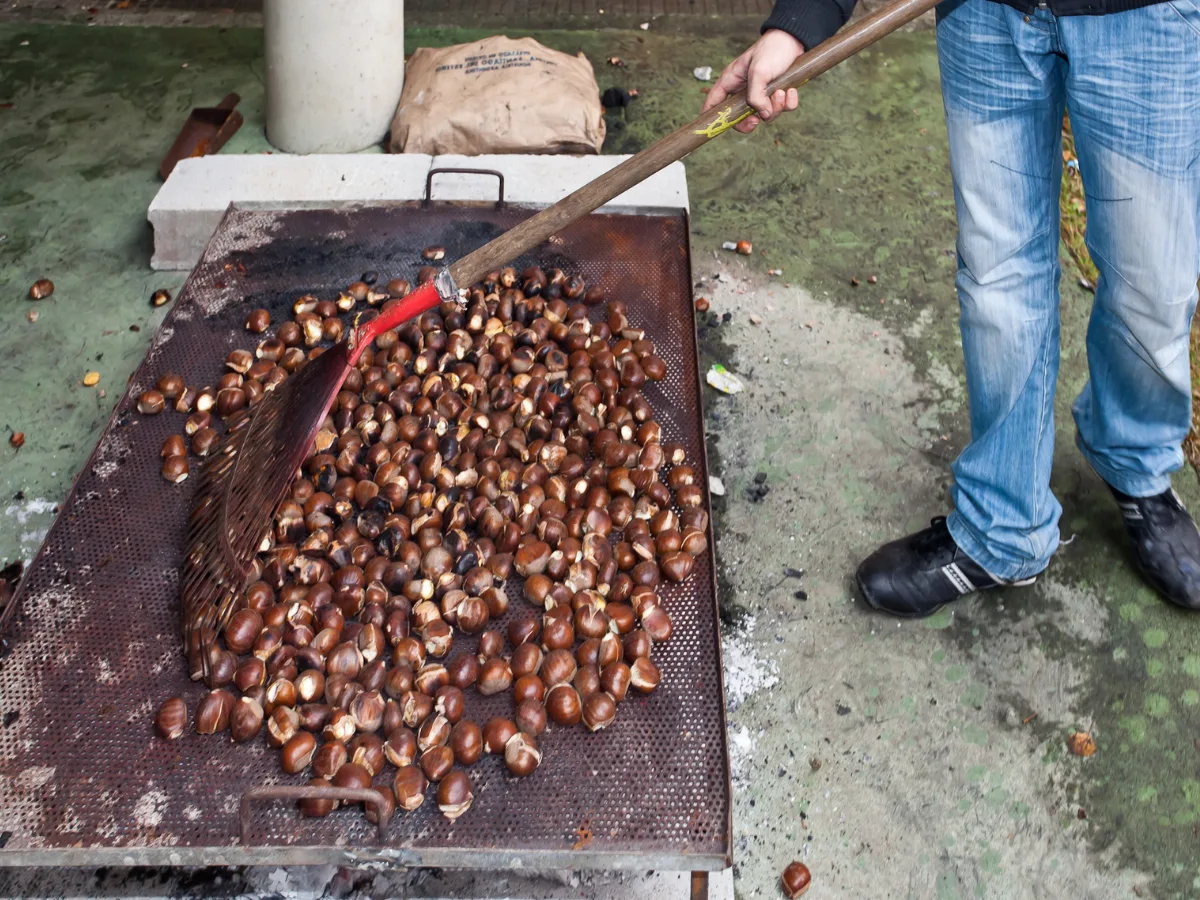
How smoke and ash penetrate fabrics during local festivities and how to effectively remove persistent odours.
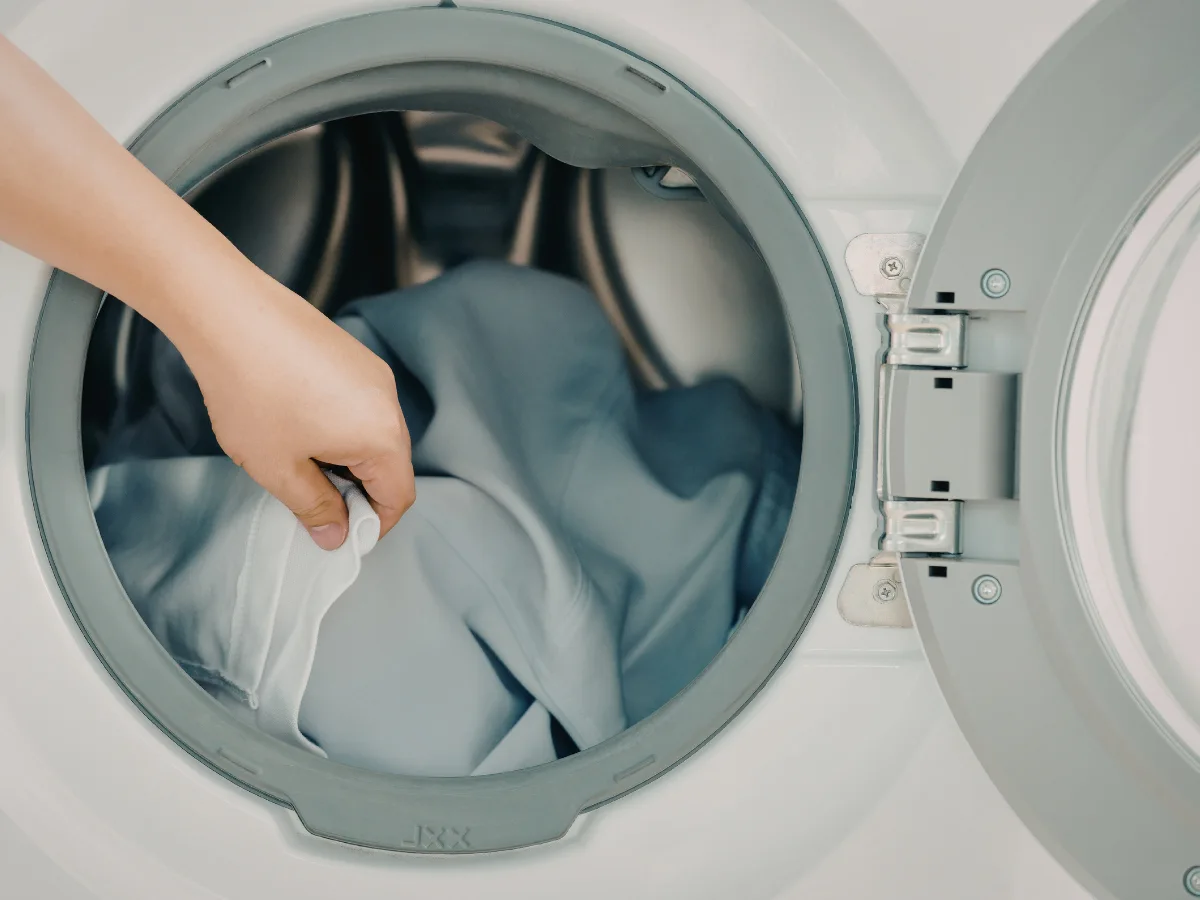
The mechanical stress caused by weighted blankets and the risk they pose to domestic washing machines.

How turning laundry into a routine can improve productivity, organisation and personal downtime.
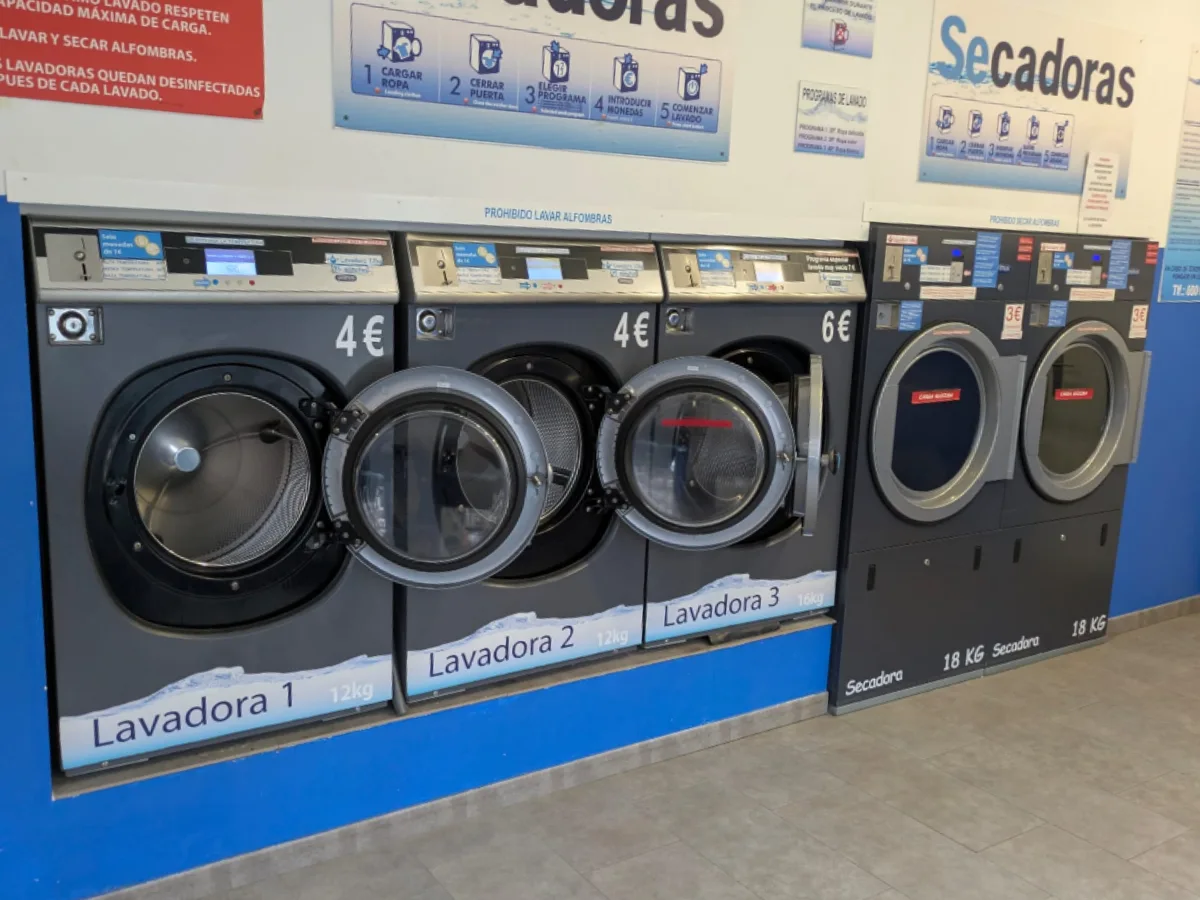
Practical laundry advice for university students living in shared flats or residences in Ponferrada.

Humidity and low temperatures explain why drying clothes at home becomes a serious problem during winter.
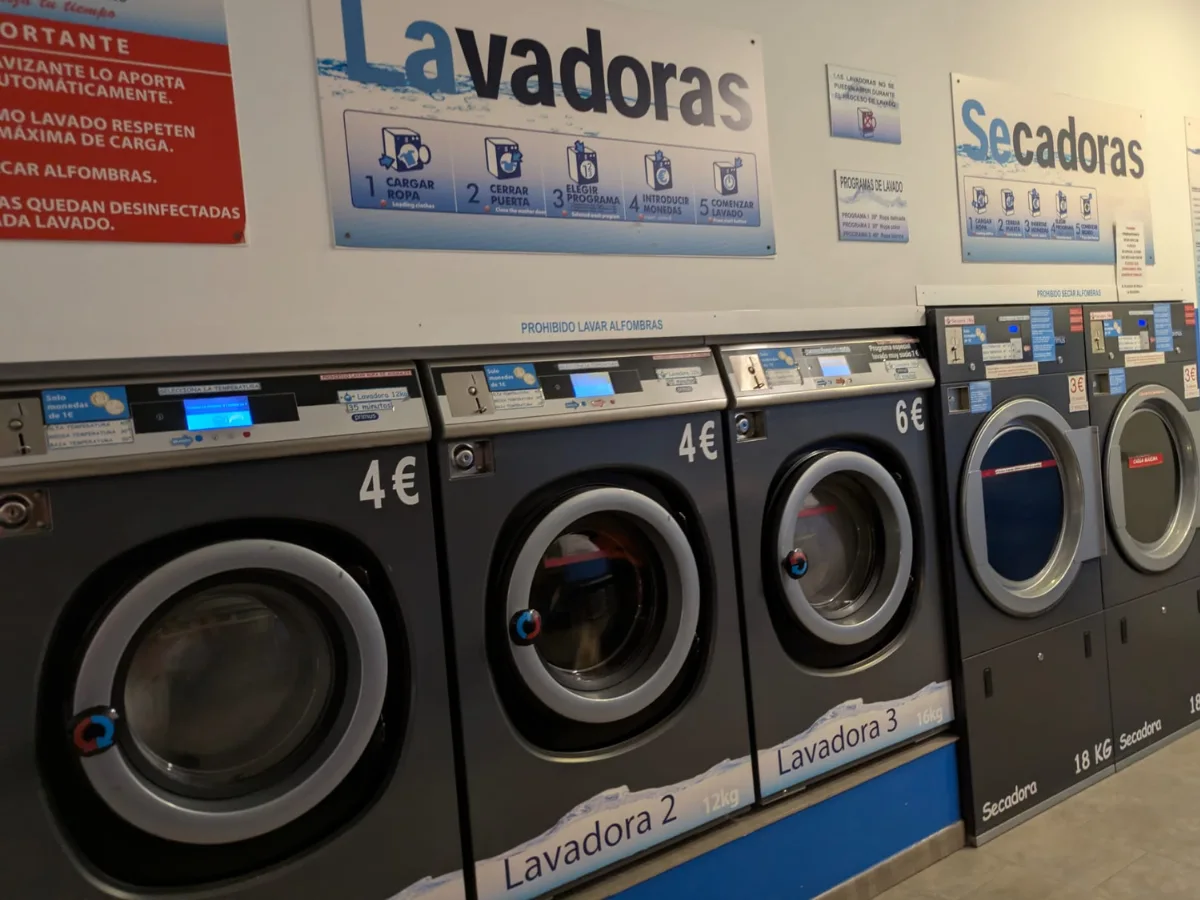
The most frequent mistakes made in self-service laundries and how to avoid damaging clothes and machines.

How to wash and maintain Gore-Tex, down jackets and technical garments after outdoor activities in El Bierzo.
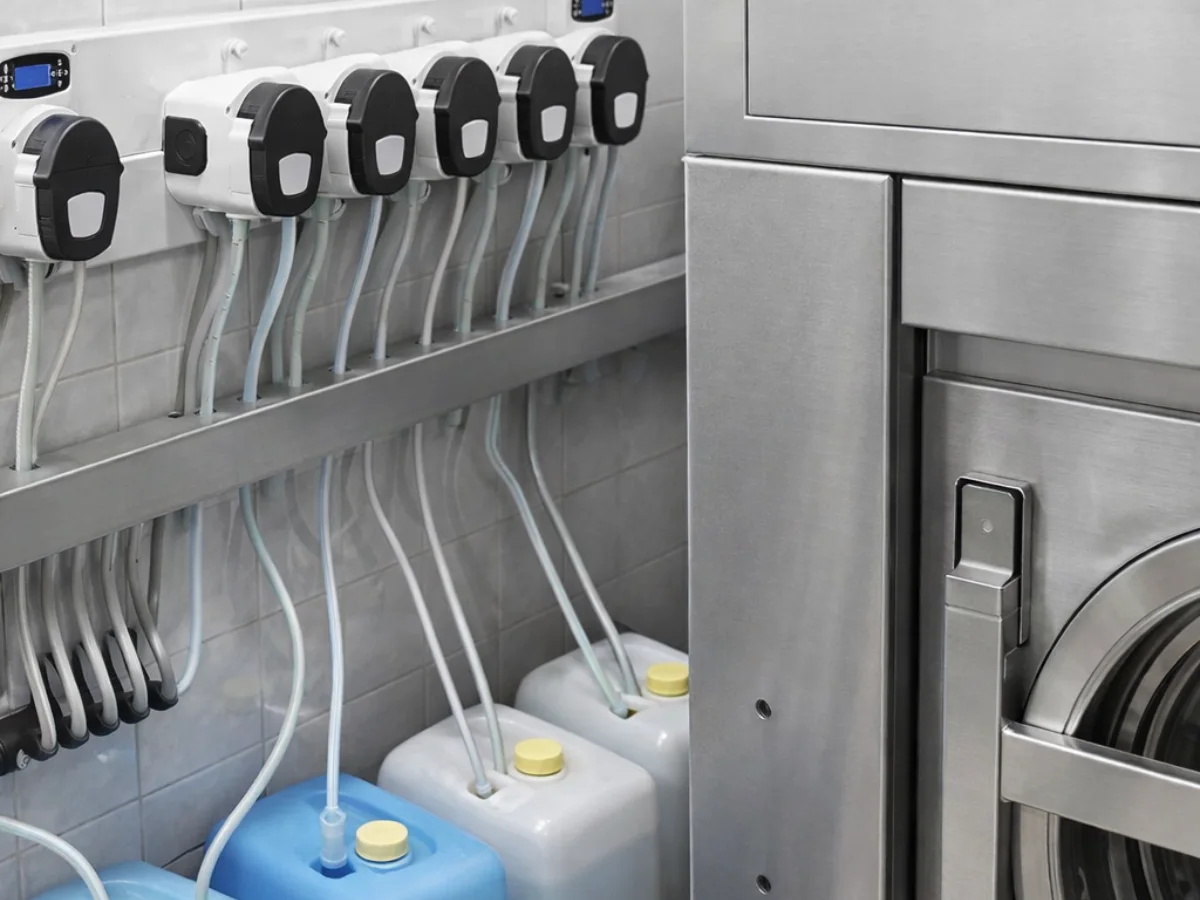
A technical overview of automatic dosing systems, active oxygen and pH control in professional laundry environments.
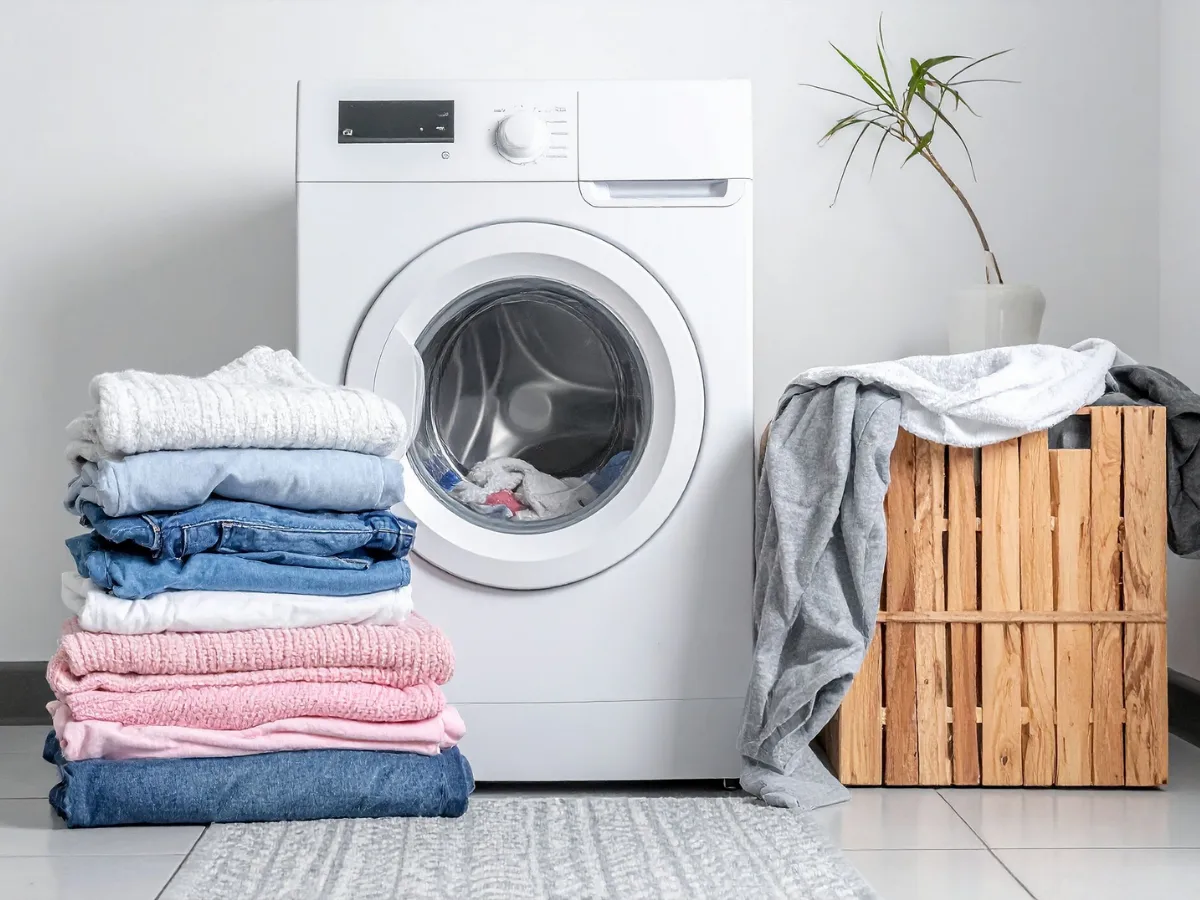
Standard dimensions and typical weight of domestic and professional washing machines.
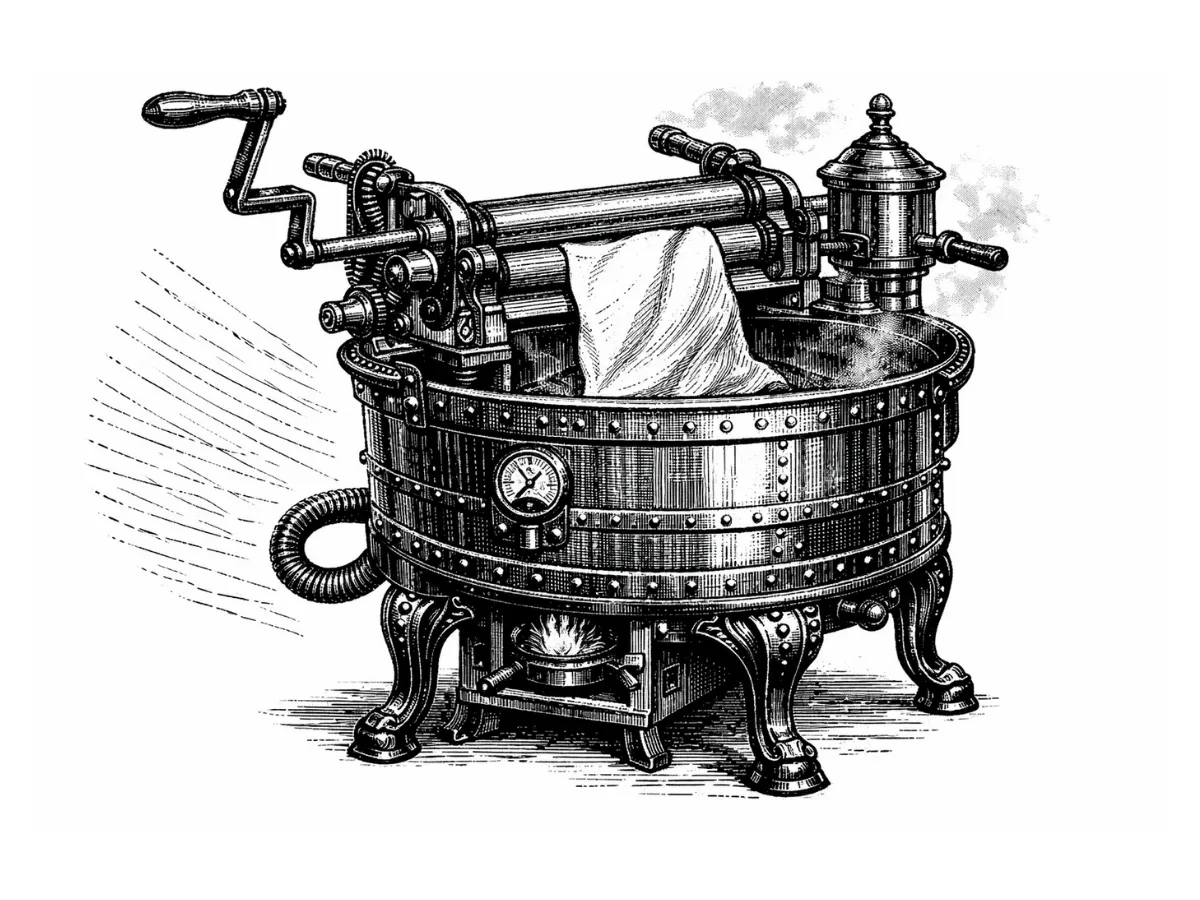
A historical journey through the technological evolution of washing machines.
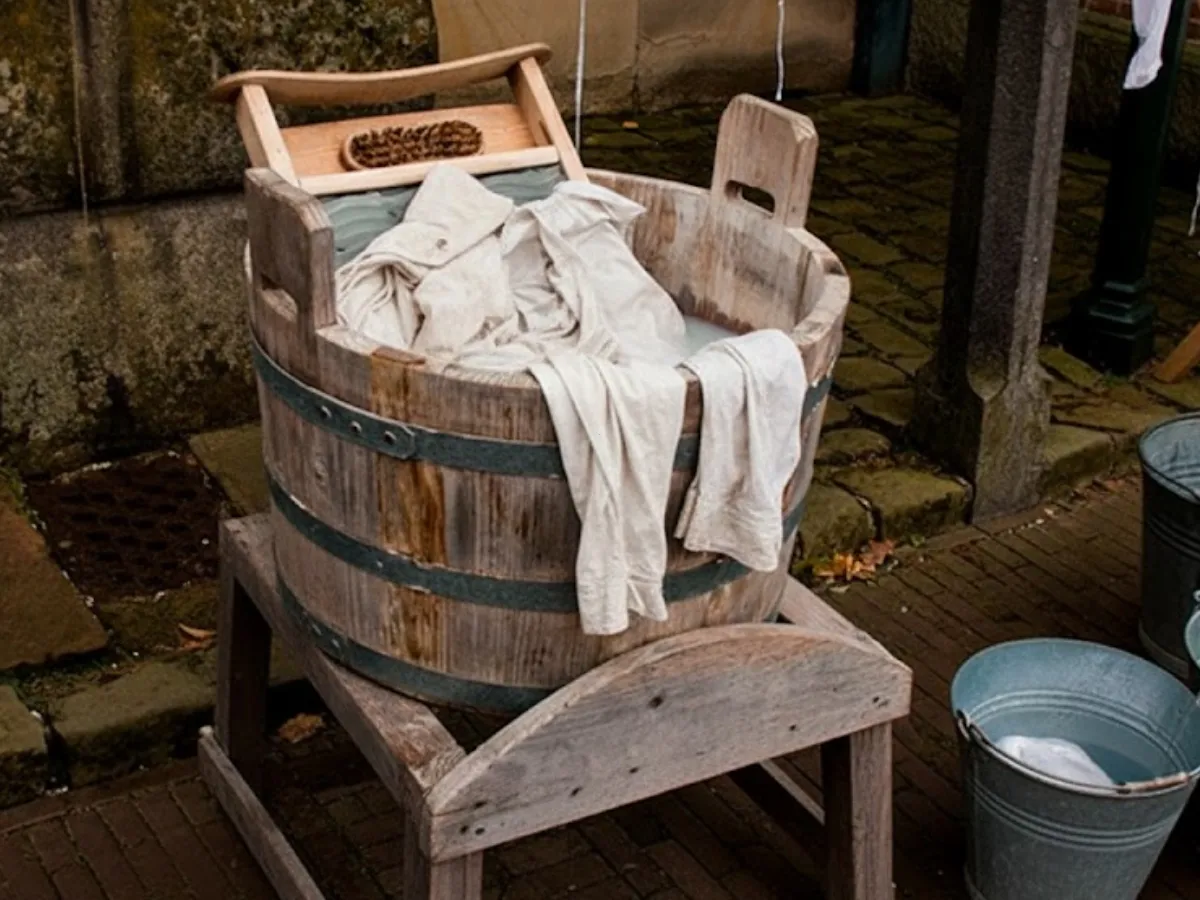
From traditional washhouses to modern laundry services in the Bierzo region.
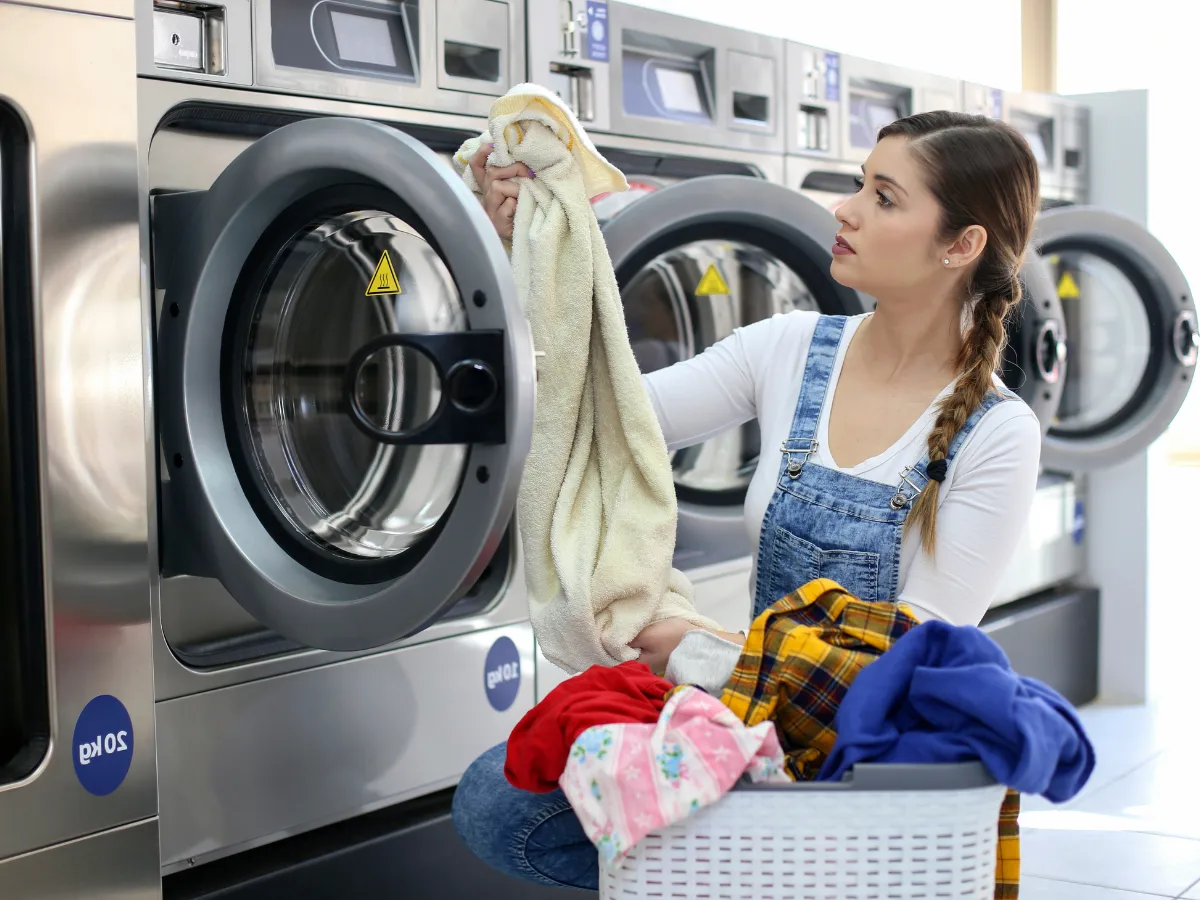
Understand the real differences between laundry services and dry cleaning to choose the best option for your clothes.
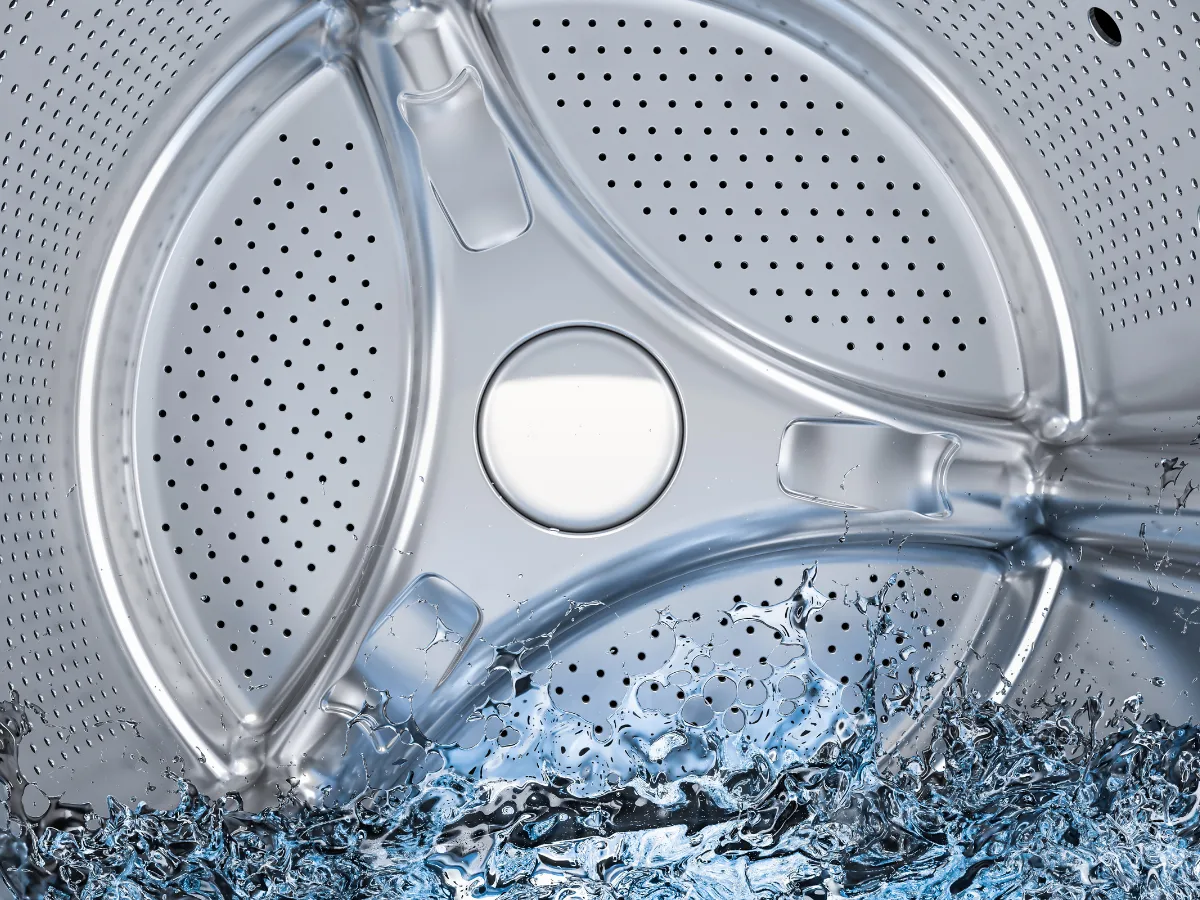
Real water consumption by program type, load size, and energy efficiency.
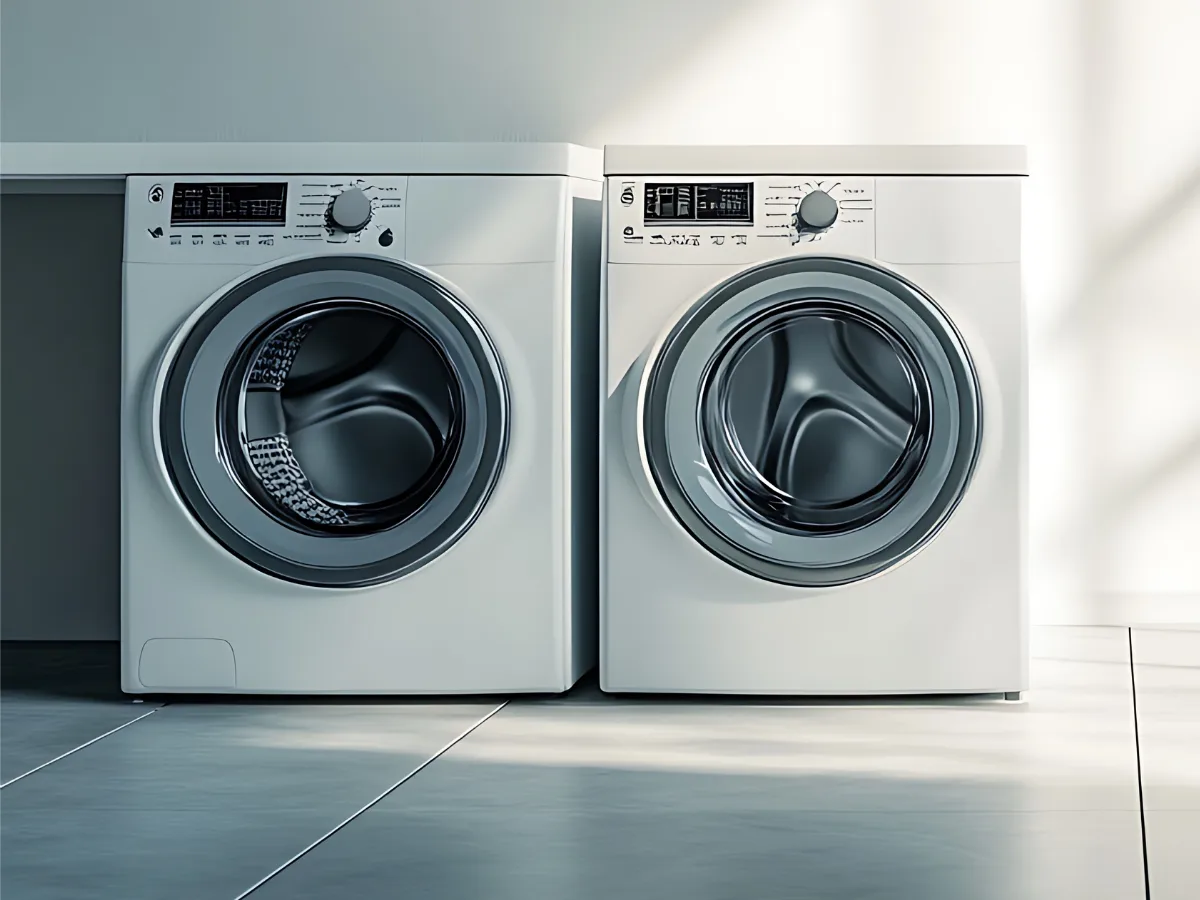
A clear guide to the different types of washing machines and their recommended uses.
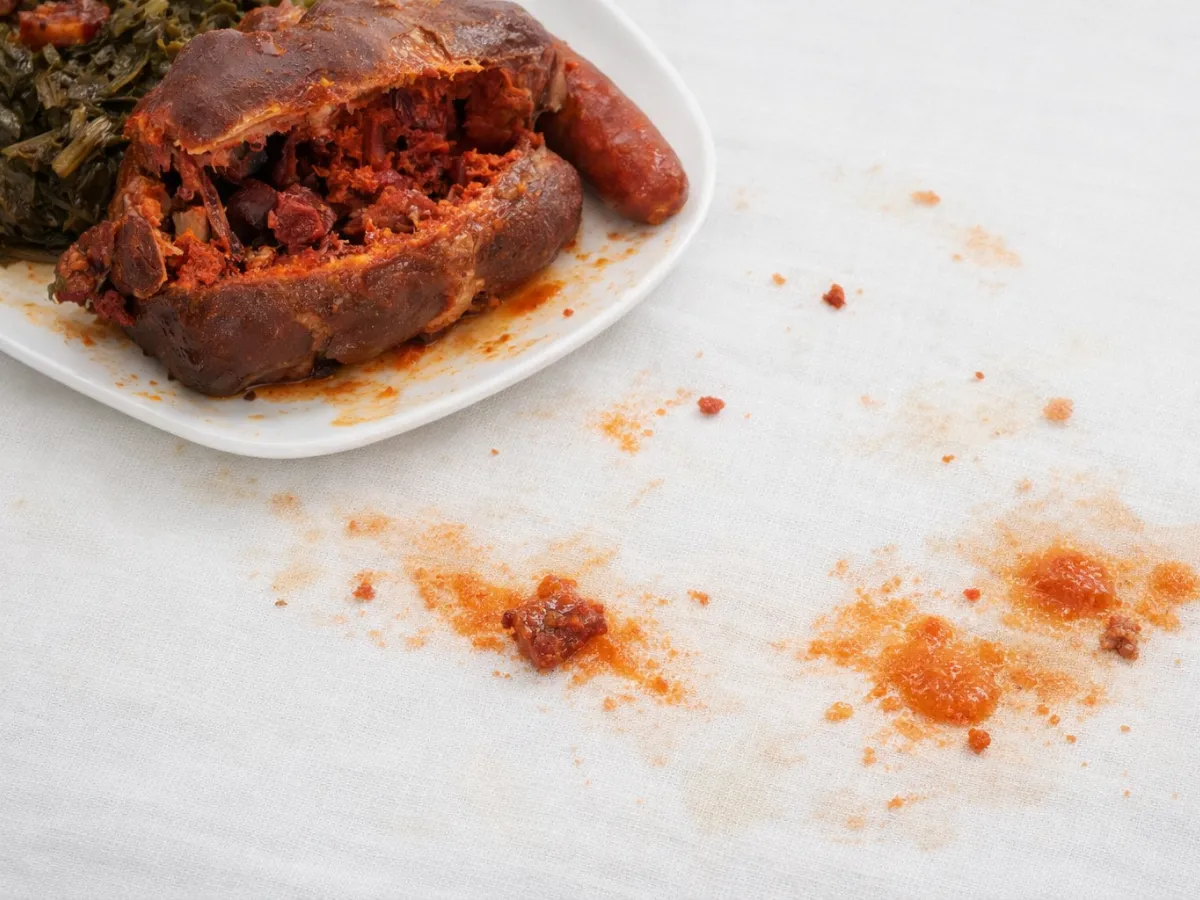
Effective methods to remove greasy botillo stains without damaging your garments.
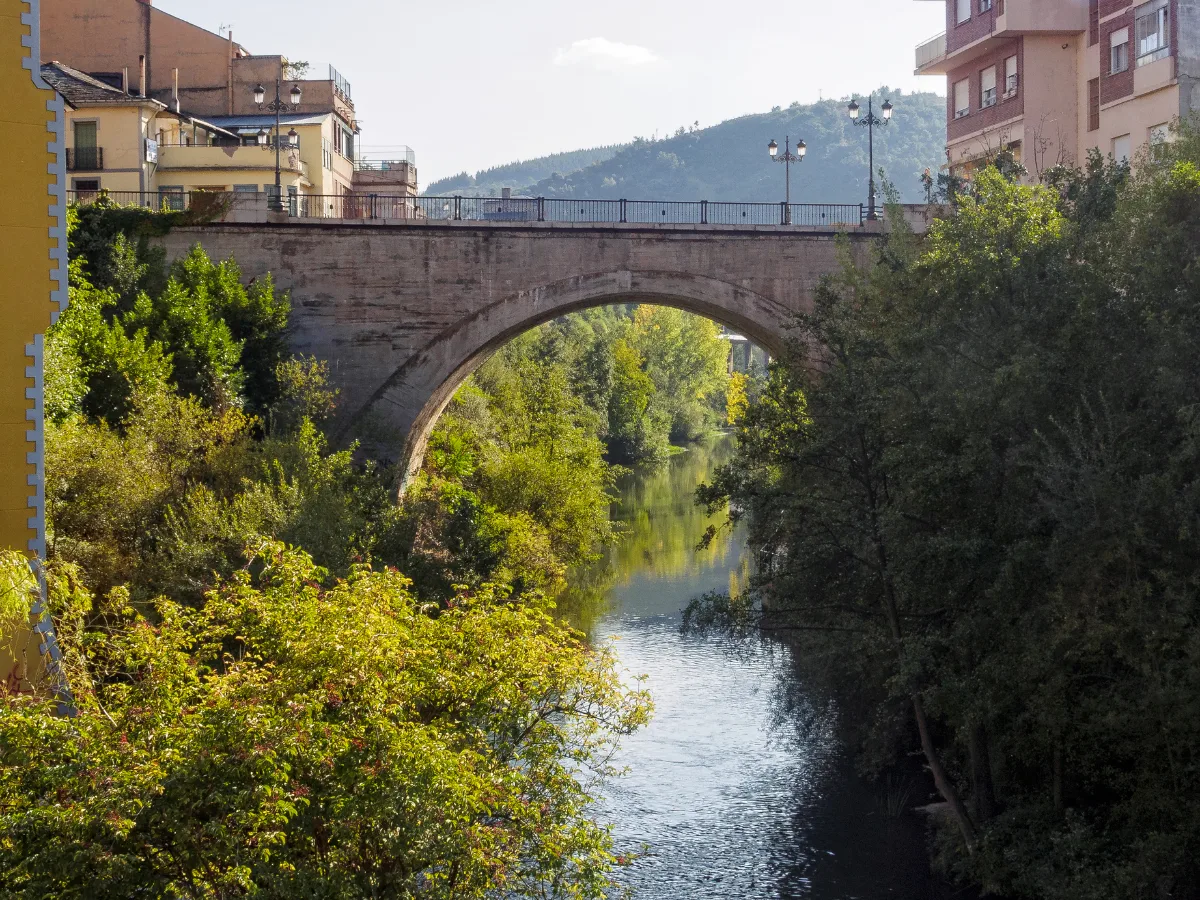
How local water quality affects washing performance, fabric care, and detergent efficiency.
We have grouped the items into clear categories so you can find exactly what you need in seconds.
Practical tips on washing, caring for and preserving all kinds of clothes.
Guides, rankings and reviews of products for laundry and home cleaning.
Ideas to clean floors, furniture, appliances and fabrics at home.
Ways to care for each fabric to extend the useful life of your clothes.
Ideas for better organisation, energy saving and easier household tasks.
Guides to identify and fix faults, noises and breakdowns in washers and dryers.
Ideas to reduce damp, remove bad smells and improve the air in your home.
The internet is full of theoretical advice. This blog is different. Behind LaColada Ponferrada lies over a decade of managing professional laundry, but above all, there are hands covered in motor grease and memories woven into threads.
I am a maintenance technician. I know which part fails when your washing machine sounds like an airplane, and I know why cheap detergent is ruining your drain pump.
And we come from a family of haberdashers. My grandmother spent her life among buttons and fabrics, teaching us to distinguish good cotton from a synthetic blend that will pill in two days. We combine hard mechanics with the delicacy of fabric.

Get straight to the point based on what you need to fix or know.
Price analysis and solutions to common breakdowns.
Step-by-step guides to save that garment you thought was lost.
Home economics, special care, and textile secrets.
Every guide, analysis, or recommendation in this blog is supported by real usage data. We test cleaning products and wash cycles on our own industrial machines before writing any article.
The results don't come from press releases or generic lists: they come from repeated cycles, temperature tests, direct fabric observation, and mechanical reviews of how each material responds to different detergents and programs.
Furthermore, we include verifiable technical criteria: wash times, estimated energy consumption, risks of premature wear, and real comparisons between products and methods. If it doesn't work in practice, we don't publish it.
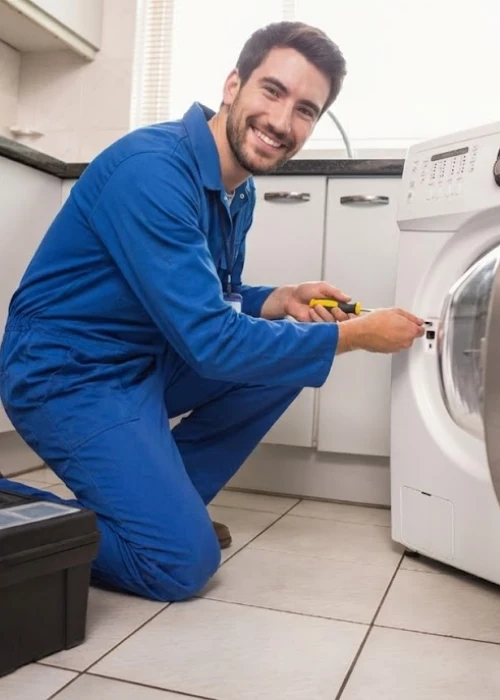
We are not an anonymous brand or an automated blog. We are a physical business in Ponferrada that washes, dries, and advises thousands of people every year. What we write is born from day-to-day life with real customers and solving doubts at the counter.
You can visit us any day of the year at Calle San Valerio 19. The same people who maintain the machines are the ones who review and validate the content we publish. We don't speak from theory, but from daily practice.
We have hundreds of verified reviews on Google Maps, as well as direct testimonials from customers who consult us in the store. Their problems and questions inspire many of the guides you see here.
Every article goes through an internal editorial process: technical review, data verification, and real testing. Our name and our business stand behind what we write, and that forces us to be precise, honest, and useful.
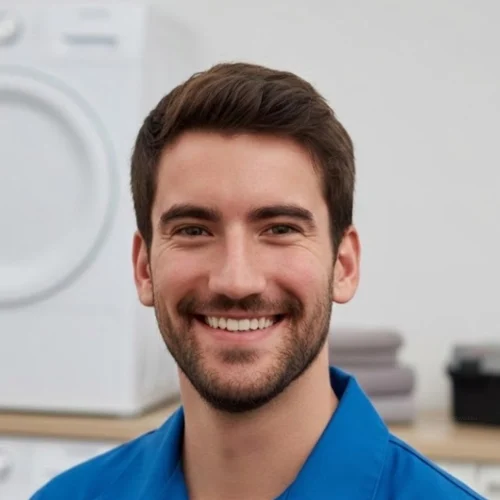
Over 10 years repairing industrial and domestic machinery. Here you won't find internet theories, just real solutions tested by someone who gets their hands dirty every day.
Answers based on thousands of cycles, clothes of all types, and over a decade solving doubts day in and day out. What works, works. What doesn't, we tell you clearly.
Yes. In fact, it is the safest way to do it. A home washer forces the motor and can deform the drum because the duvet absorbs a lot of water and the weight concentrates in a single point. In our 12–16 kg machines, the drum is bigger, spins better, and water distributes evenly. Result: deep cleaning without damaging the item.
The problem isn't usually the softener, but bacteria settled in the fibers. Clothes that take too long to dry (hung inside the house in winter, for example) become a breeding ground. The real solution is temperature or hot air: 15 minutes in an industrial dryer removes humidity and kills 99% of persistent odors.
Vinegar descales and removes odors, yes, but it does not soften, and its acidity can deteriorate rubber seals if used too frequently or in cold water. Use it only for punctual maintenance in 90ºC washes. To soften clothes, the best thing is still a specific product or using less detergent.
If you wash with cold water most of the time, every 3–4 weeks. You must run a very hot program with powder detergent or a machine cleaner to remove biofilm, accumulated soap, and fungi. If you don't, clothes will start smelling weird even when freshly washed.
For large loads, wardrobe changes, and bulky items, yes. A large domestic washer usually consumes between €0.8 and €1.2 per cycle in electricity + water + detergent + machine amortization. Here you wash 12 kg for €4 with professional products included and without wear on your home appliance.
Yes, provided you follow this rule: cold water + solid dyes + previously washed items. When there is a risk of fading (new clothes or intense fabrics), use protective color catcher sheets or wash separately. Industrial machines clean better through mechanics, not temperature, so they are safer for mixing colors.
If you're reading our tips, the best thing you can do is see it in action. Professional machines, real results, and a system designed to make your laundry fast, simple, and efficient.
LaColada Laundromat Ponferrada